
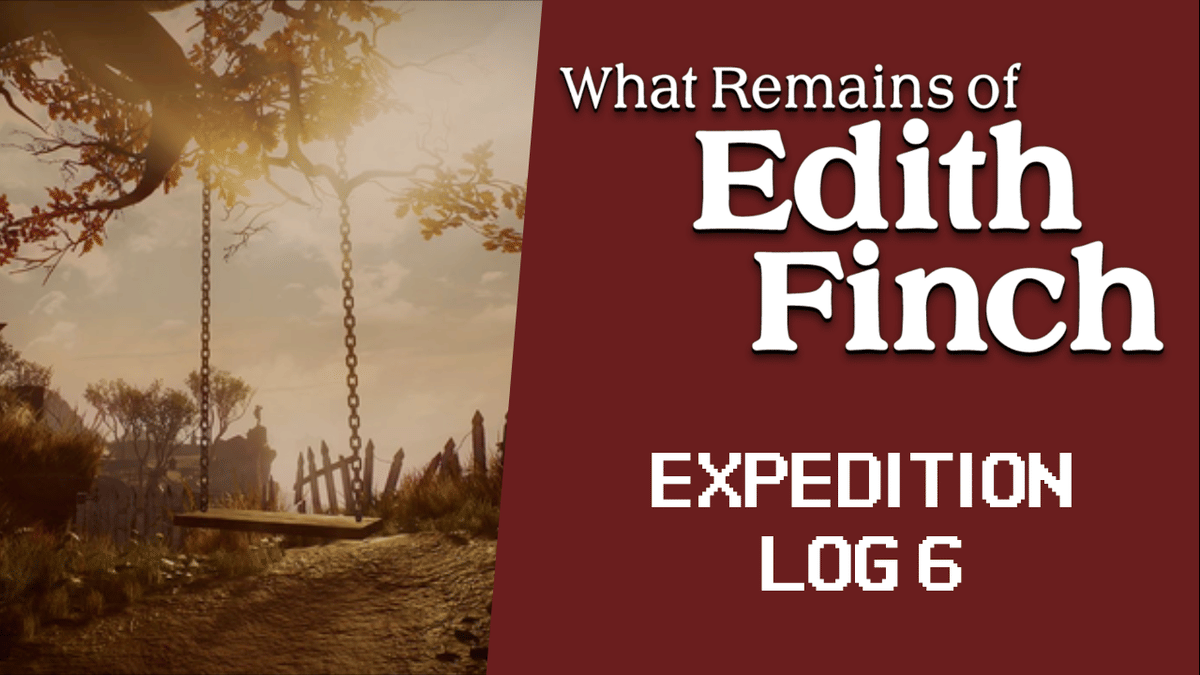
The mark of a good video game for me has always been whether or not I find myself thinking about it well after I’ve put the controller down. It’s one thing for a game to keep me hooked while I’m playing, but if its characters, its world, or its message linger in my mind long after the credits roll, then I know I’ve played something special. What Remains of Edith Finch is one of those games. It’s only been a day since I finished it, but I still catch myself replaying certain moments in my head—the touching ones, the heartbreaking ones, and even the ones that left me a little unsettled.
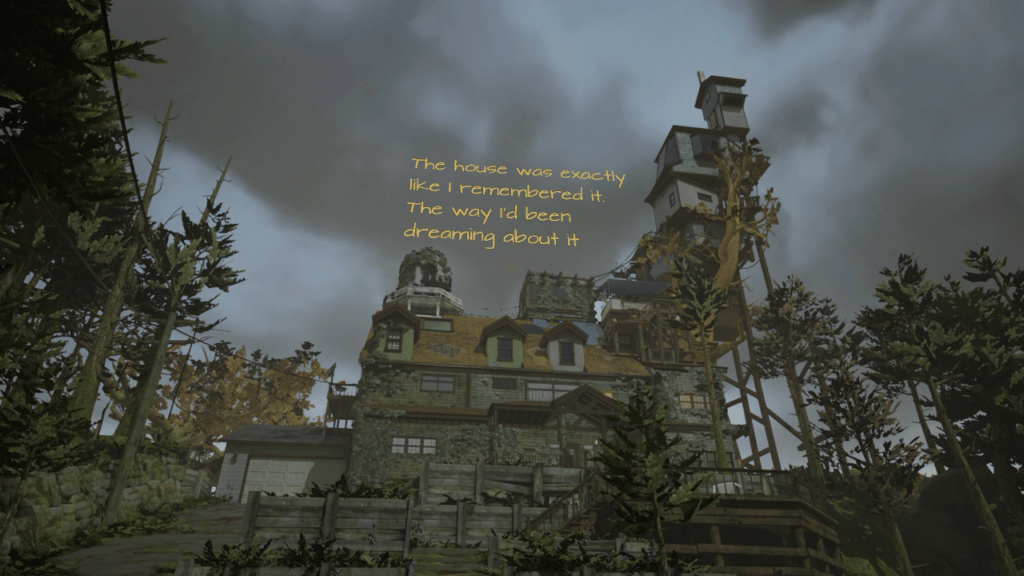
What Remains of Edith Finch is often described as a “walking simulator,” though that label hardly does it justice. At its core, it’s a first-person exploration game where you play as Edith Finch, the last surviving member of the Finch family. After her mother’s passing, Edith is left with a mysterious key—its purpose unclear. This key draws her back to her childhood home, a sprawling, almost surreal house perched on the edge of Washington’s rugged coastline. What begins as a return to a physical place quickly becomes something much deeper: a journey through Edith’s family history, her heritage, and the tragic legacies that defined the Finch name.
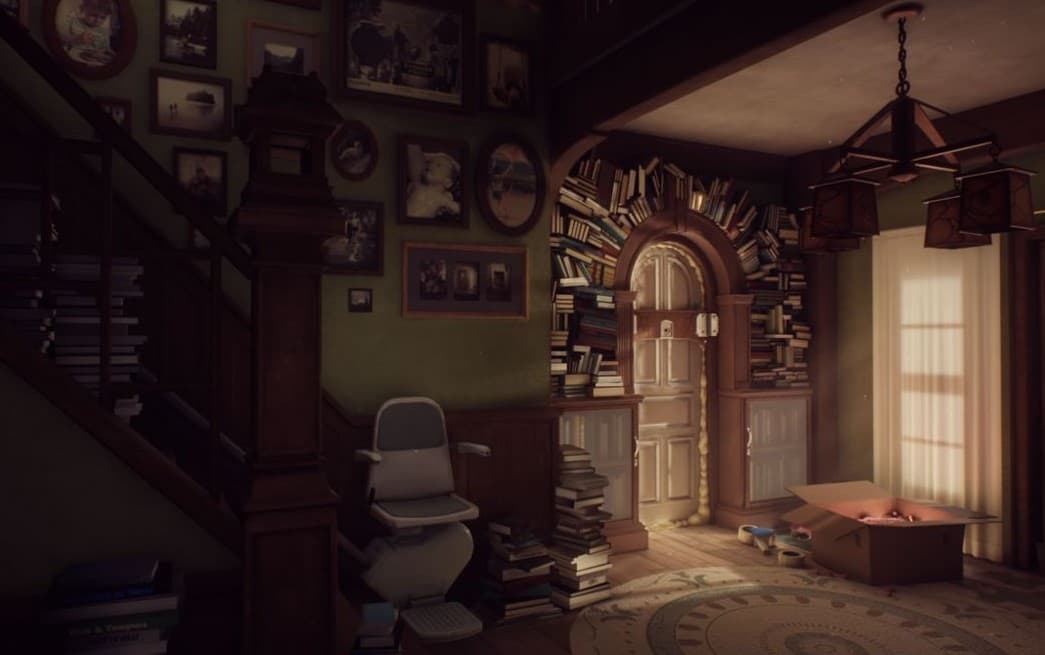
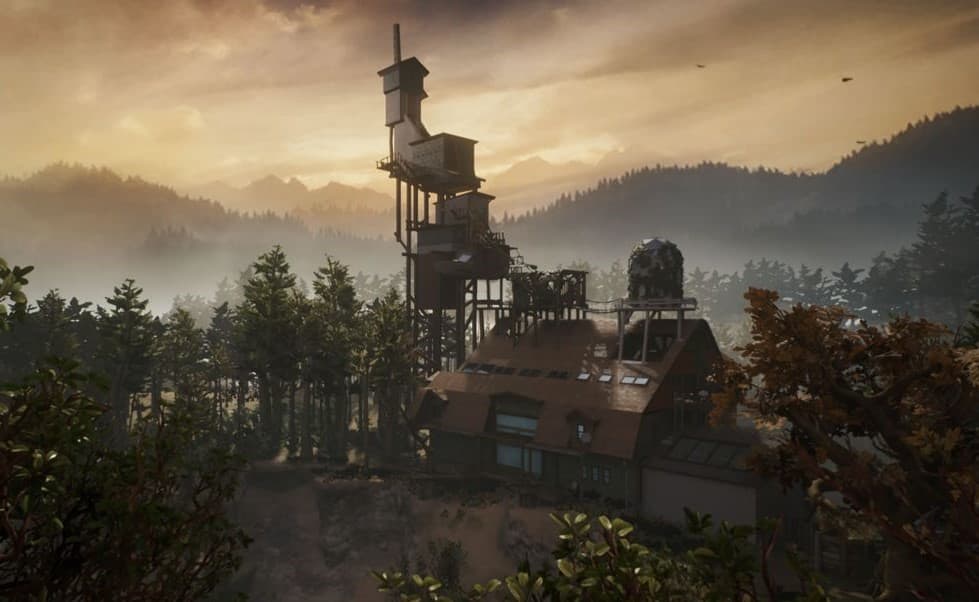
The Finch house itself feels alive. Each room is like a frozen time capsule, sealed off after the death of a family member, filled with artifacts and personal belongings that capture the essence of their lives. As you explore, you’re not just walking through a house—you’re walking through a family tree, one story at a time. The sense of place is so strong that it becomes a character in its own right, both inviting and foreboding. Learning about the Finch family is certainly the game's biggest draw and it hooked me pretty early.
A Collection of Stories
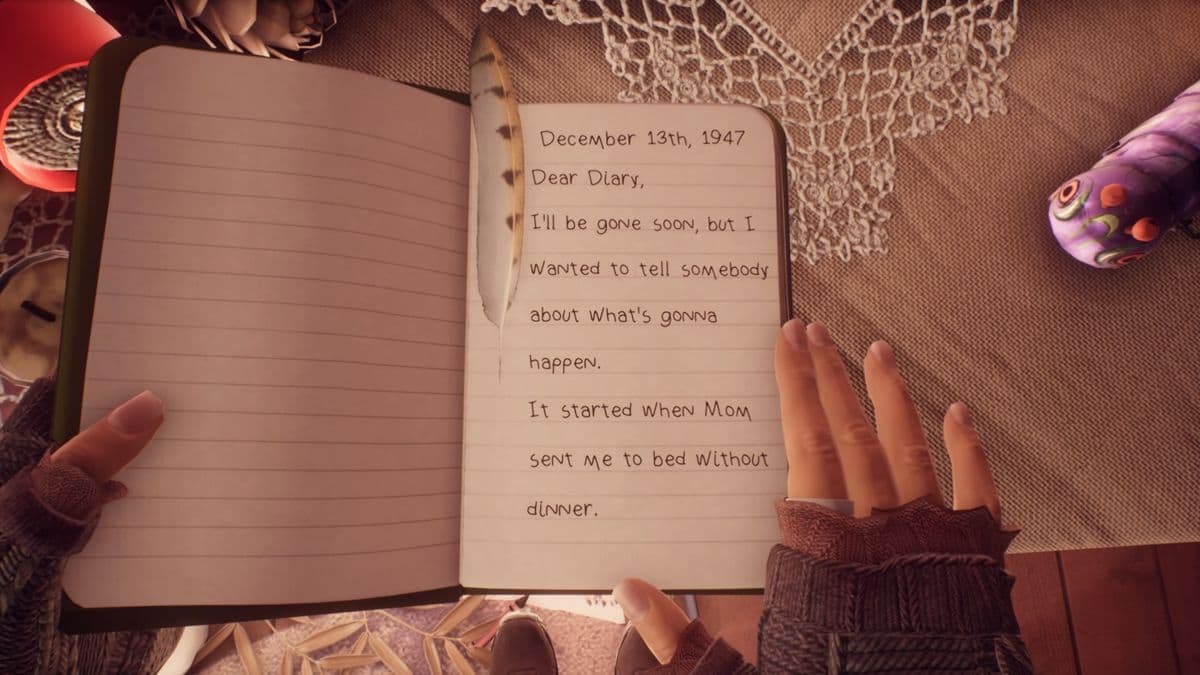
What makes Edith Finch so captivating is the way it tells its story. Rather than following a traditional linear narrative, the game unfolds through a series of vignettes. Each family member has their own story, and Edith relives them through journals, letters, or keepsakes she discovers in the house. These moments pull you into the shoes of the deceased Finches, allowing you to experience their final moments firsthand.
What’s remarkable is how each story comes with its own unique gameplay mechanic. Sometimes you’re controlling a kite, other times you’re operating machinery, and in one very unique sequence, you’re switching between the monotony of a factory job and a vivid fantasy life that grows increasingly elaborate. The creativity here is stunning, and it keeps you on your toes. You never quite know what kind of interaction the next story will ask of you, and that really drive me to keep going.
There’s little in the way of “challenge” in the traditional sense. You won’t find boss fights, skill checks, or difficult puzzles here. Instead, the challenge comes from the emotional investment. The game wants you to feel the weight of each story, to absorb it, and to reflect on what it means. In this way, the gameplay serves the narrative perfectly.
Themes That Resonate. Or Don’t.
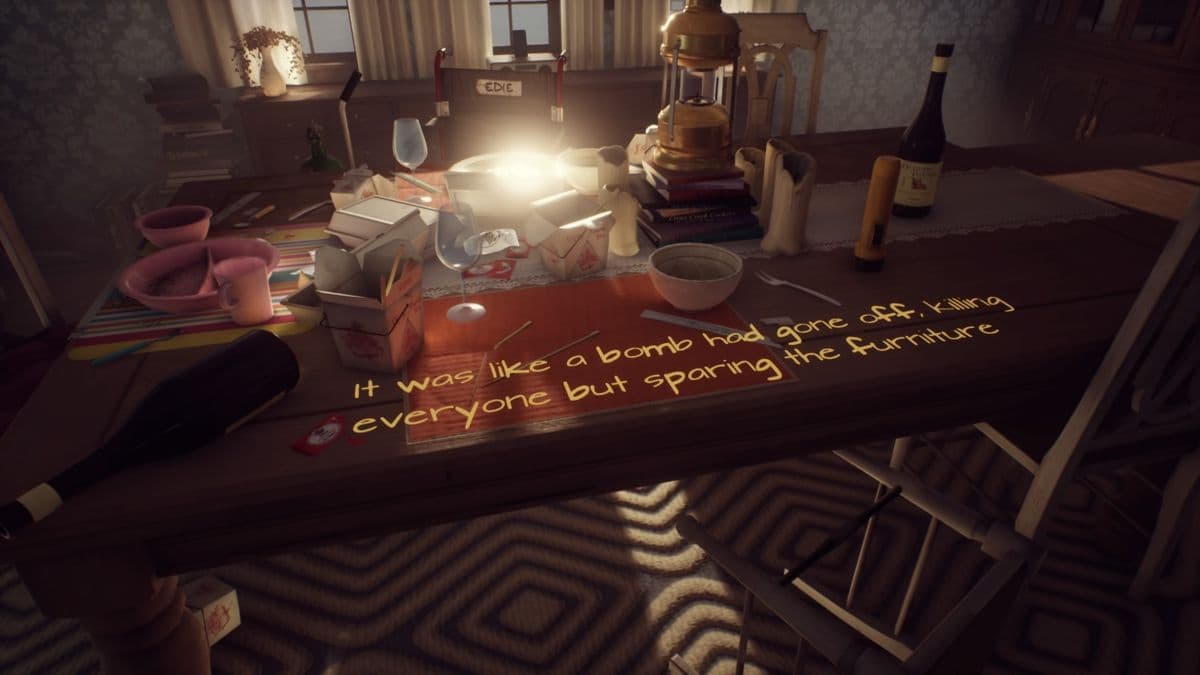
What Remains of Edith Finch doesn’t shy away from heavy themes. Death, grief, depression, and tragedy form the backbone of many of these stories. Some are bittersweet, others can be unsettling, and one in particular hit me so hard I had to stop for a moment just to process what I had experienced. While the game presents these themes with a degree of beauty and respect, I can absolutely understand how they might not resonate with everyone. People deal with trauma differently and I can only imagine if someone playing this game had a similar experience to one of the Finch family members.
For me, though, this is where the game’s strength lies. Video games are often about power, control, and agency, but Edith Finch is about the lack of those things. It’s about lives cut short, stories left unfinished, and the way people grapple with the weight of legacy. The ambiguity of some of the vignettes reflects the ambiguity of life itself—sometimes we don’t get neat answers, and sometimes stories just… end.
That said, I did find myself wishing some of the stories had been fleshed out a little more. A few ended abruptly, almost as if the developers had run out of time or deliberately wanted to leave things unresolved. While I respect the artistic choice, part of me longed for a little more closure in certain cases.
The House as a Character
The Finch house deserves special mention. Rarely have I seen a setting so vividly realized in a video game. Its towering, almost haphazard design makes it look like a patchwork of additions built over generations, a physical manifestation of the family’s eccentricity and tragedy. Each room tells its own story through environmental details—books on shelves, toys on the floor, photographs on the walls. Even before you enter a character’s vignette, you can learn a lot about them just by observing their space.
Exploring the house is both comforting and eerie. On one hand, it feels like returning to a place that was once filled with life; on the other, it’s a haunting reminder of how quickly that life can vanish. The house lingers in your mind long after you’ve left it, much like the game itself.
A Short but Lasting Experience
If there’s one common critique of Edith Finch, it’s the length. The game can be completed in about two to three hours, depending on how thoroughly you explore. Personally, I found that to be both a strength and a weakness. On the one hand, the game respects your time—there’s no filler, no wasted moments, no unnecessary backtracking. On the other hand, I almost wished it lasted just a little bit longer. A few additional stories, or more time to explore the house, might have elevated it even further.
Still, in some ways, the short length mirrors the fleeting nature of the lives it portrays. Perhaps that was intentional.
The Emotional Payoff
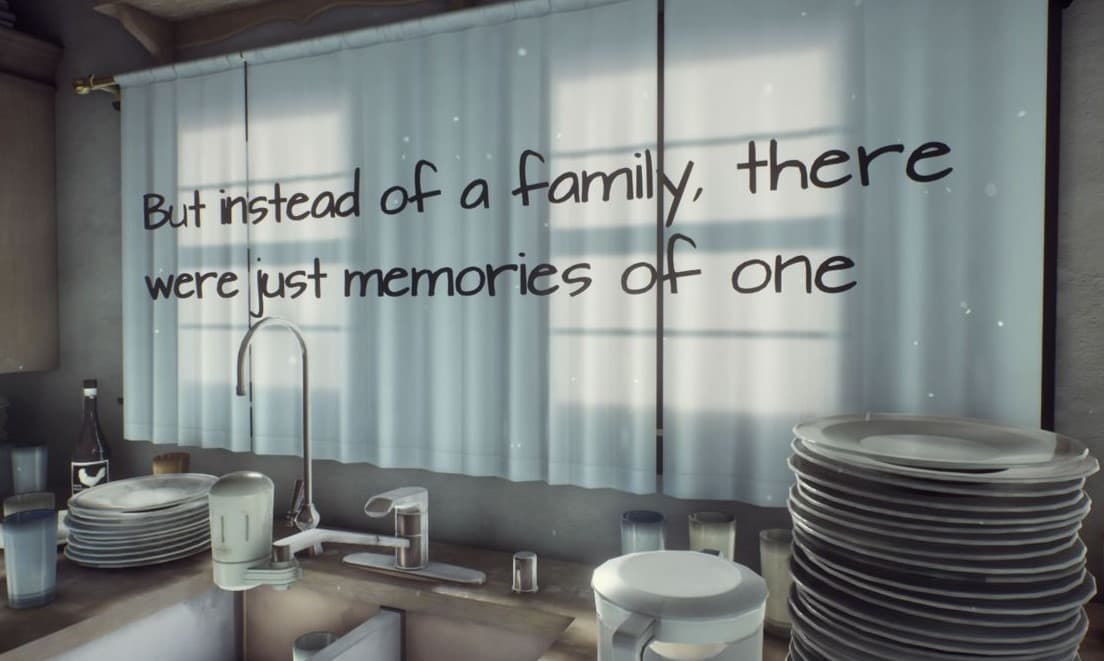
By the time Edith’s story concludes, everything you’ve experienced ties into a final message that is both beautiful and devastating. Without spoiling too much, the ending frames everything you’ve seen in a way that brings both clarity and heartbreak. It’s a rare game that can generate such genuine emotion, but this game had me wiping away a tear as the credits rolled. I imagine that impact will be stronger for players who are parents themselves, as the game’s themes of family, inheritance, and the passage of time take on an even deeper meaning at the end. As a step-father of two awesome humans, I couldn't help but think of them as the credits rolled and reflect on what I've tried to build for them and what I hope to leave behind when I'm gone.
That's the beauty of Edith Finch. It makes you think... Not just about the Finch family, but about your own. About the stories your family passes down, the legacies people leave behind, and the inevitability of loss. Few games dare to explore such territory, and even fewer do it with this level of artistry and care.
Final Thoughts
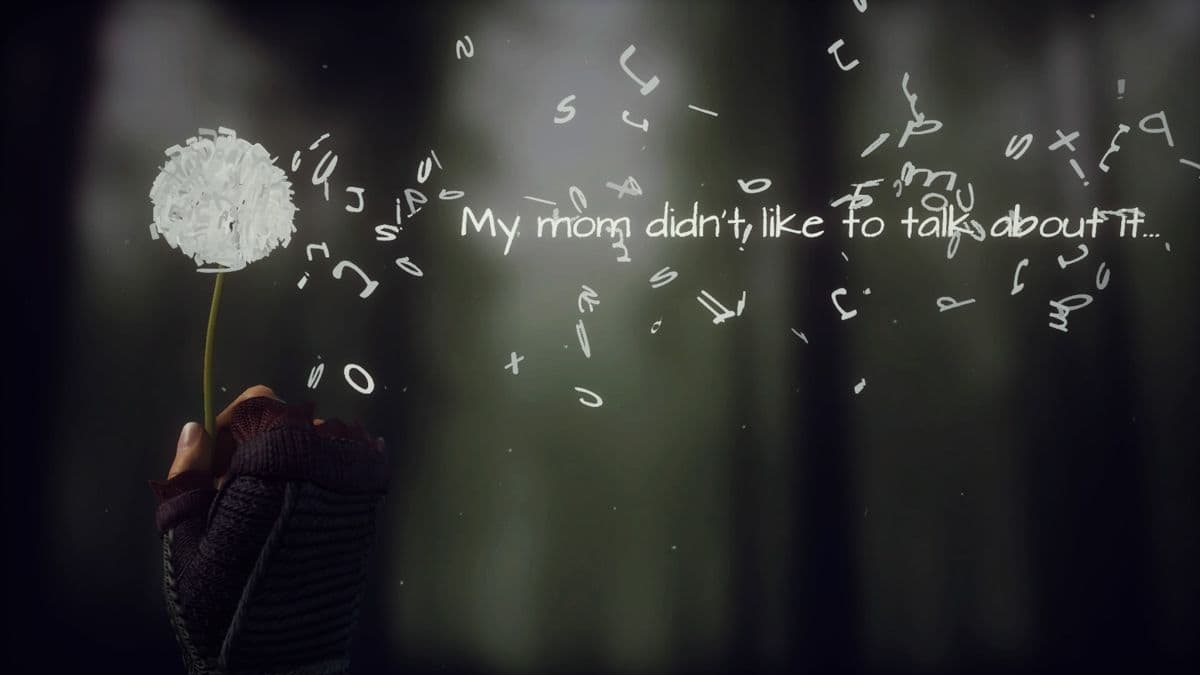
What Remains of Edith Finch is less a traditional video game and more of an experience. One that blends storytelling, atmosphere, and gameplay in ways few others do. While some story threads may feel ambiguous and player agency is limited, what the game delivers is something far more valuable: a reminder of the fragility of life, the importance of memory, and the legacies we leave behind.
This is a story that will linger. It’s one that will stick with you, make you reflect on your own family, your own history, and the mark you want to leave on this world. There aren’t many games, or works of art in general, that have the power to do that anymore.
"Edith's Theme" from What Remains of Edith Finch (Annapurna Interactive, 2017). Downloaded via KHInsider. All rights belong to Annapurna Interactive.