
A New Frontier... to Disappointment
I've always had a soft spot for bad games. Not because I enjoy the pain and suffering that can come from a bad gaming experience, but because sometimes a game's reputation doesn't tell the whole story. Every now and then, you find a hidden gem buried beneath harsh reviews and internet outrage. Other times, you discover a game that's not nearly as bad as people claim.
And then there's The Walking Dead: Destinies.
This is one of those rare occasions where I sat down, played through the experience myself, and came away thinking, "Welp... Looks like everyone was pretty spot on."
What's frustrating isn't that Destinies is a terrible video game. It's that buried beneath the bugs, awkward dialogue, repetitive gameplay, and general lack of polish is a genuinely fantastic idea. This could have been one of the most interesting Walking Dead games ever made. Hell, it could have been one of the more interesting third person zombie survival games out there.
Instead, it's a lesson in wasted potential.
Days Gone Bye...
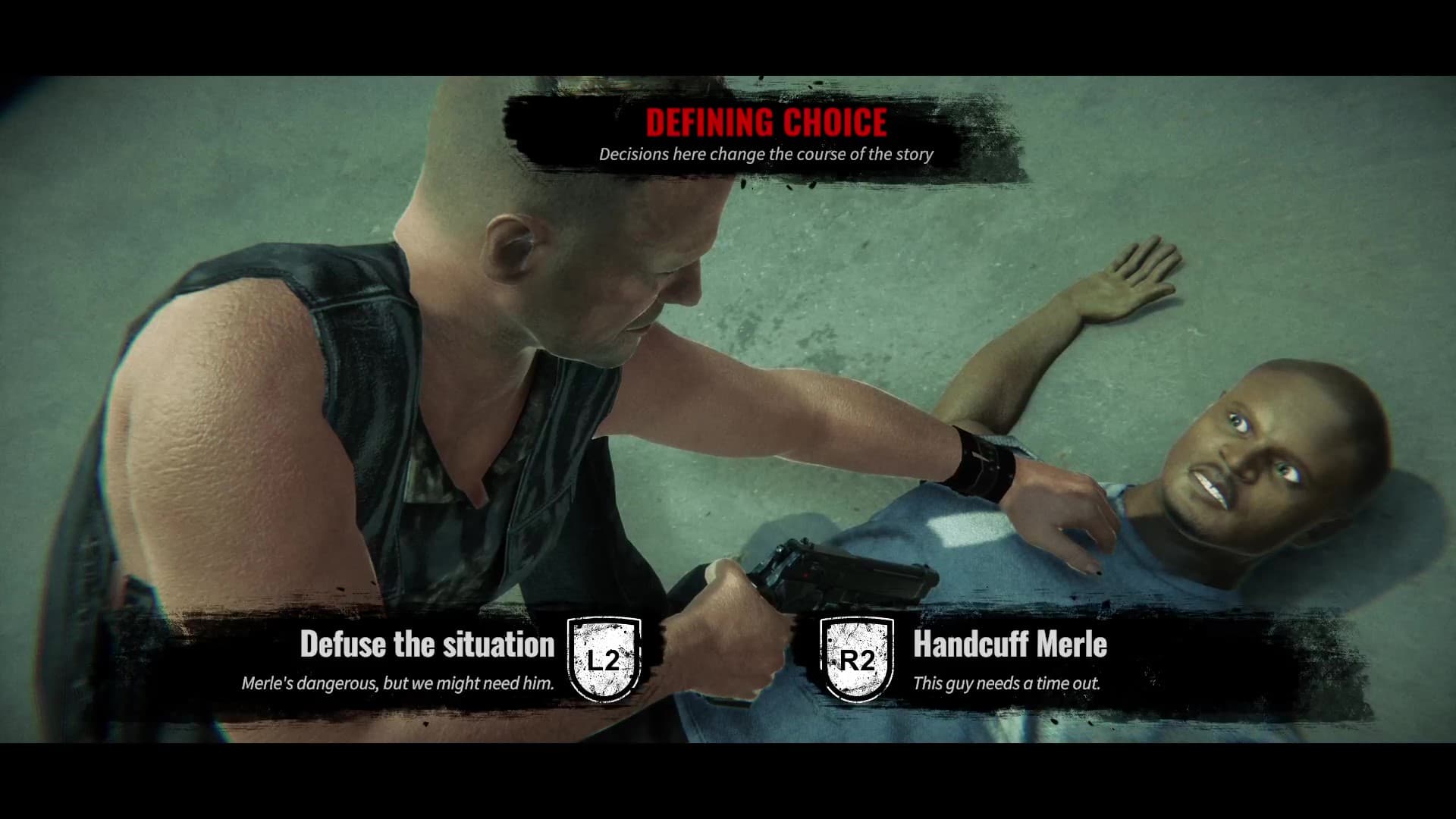
The Walking Dead: Destinies is an action-adventure game based on AMC's television series. Rather than simply retelling the show's story, the game presents a "What If?" scenario. Players revisit iconic moments from the early seasons and are given opportunities to alter key events. What if someone survived who originally died? What if a different character became the group's leader? What if the timeline unfolded in an entirely different direction?
It's a premise that practically sells itself and I'll admit, it had me interested when I first heard about the game. While I'm not the world's biggest Walking Dead fan, I did enjoy the show for a long while. I've played all the Telltale games, too. I know fans of the TV show have spent years debating alternate outcomes and wondering how different choices might have changed the fate of beloved characters. Putting those decisions directly into players' hands sounds like the foundation for an excellent narrative-driven experience.
Well. On paper, anyway.
The Ones Who Live... In a Better Game Somewhere
The biggest tragedy of Destinies is that its core idea is actually really good.
I'm a sucker for alternate timelines. Give me a chance to rewrite major events from a popular series, and I'm interested. Seeing familiar locations, controlling fan-favorite characters, and changing the course of the story should have been a slam dunk.
The game occasionally hints at what it could have been. There are moments where you're presented with decisions that make you stop and wonder how things might play out differently and I actually agonized over a few choices. Unfortunately, those moments never fully evolve into something meaningful. Sure the story may chance but nothing feels all that fleshed out. Shallow, even.
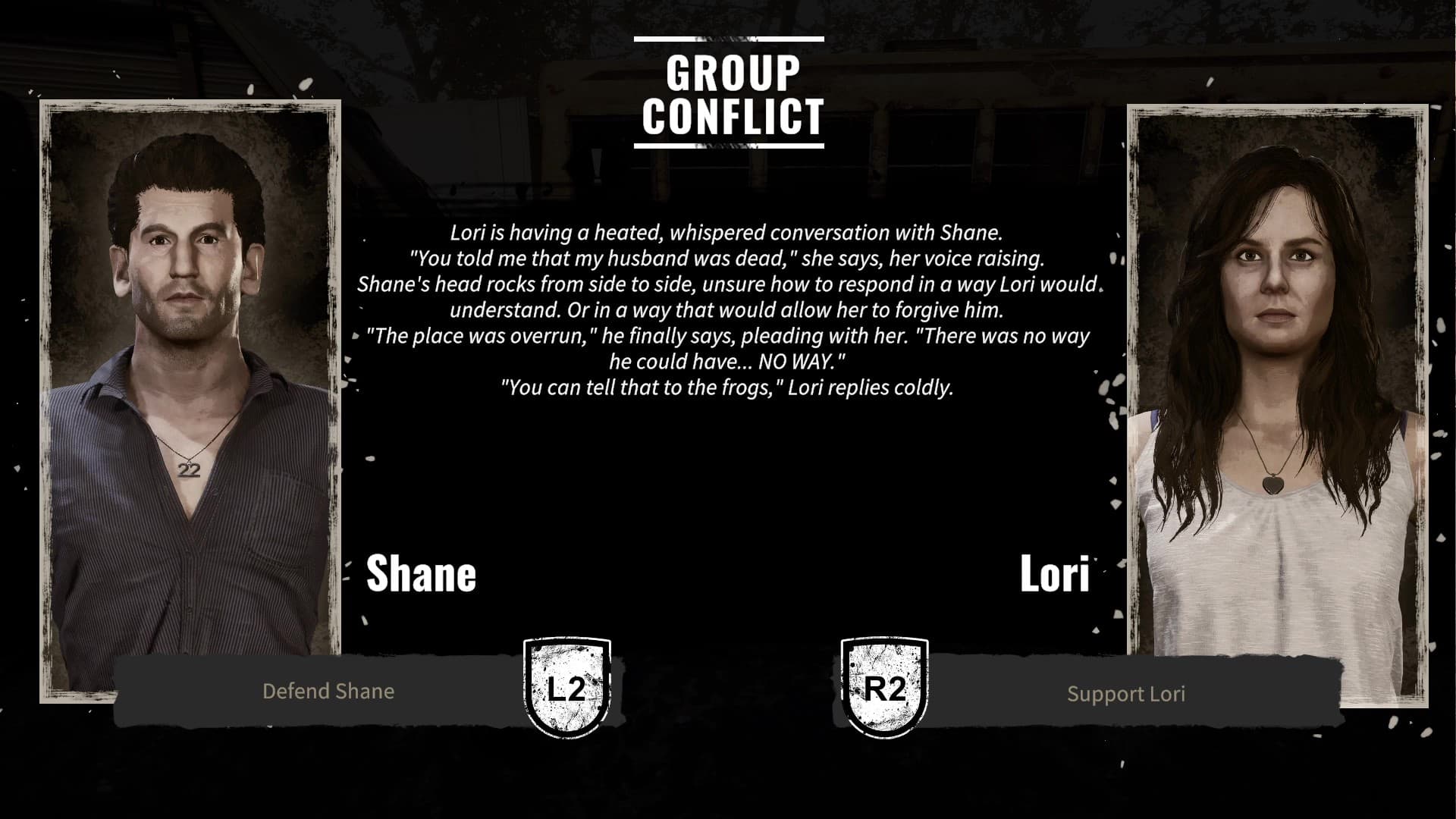
Some character interactions even seem disconnected from the larger narrative. Conflicts between other characters can be resolved in headquarters sections between missions, but I rarely felt like those conversations mattered outside of some obvious "who should go with me on this mission?" choices. At one point, Shane and Lori were bickering about Rick showing up at the camp after he was presumed dead. You have a choice to "defend Shane" or "defend Lori". Playing as Rick, I thought it would be interesting to see how building a positive relationship with the man sleeping with his wife would go. It felt like a choice that might influence future events or relationships. As far as I could tell, it didn't.
The game constantly dangles the promise of meaningful consequences without delivering enough of them. I found myself just going through the motions. And that was not a good sign for things to come.
The Walking Dialogue
If there's one thing I'll remember about Destinies, it's the dialogue. Not because it's well-written. Because it's unintentionally hilarious.
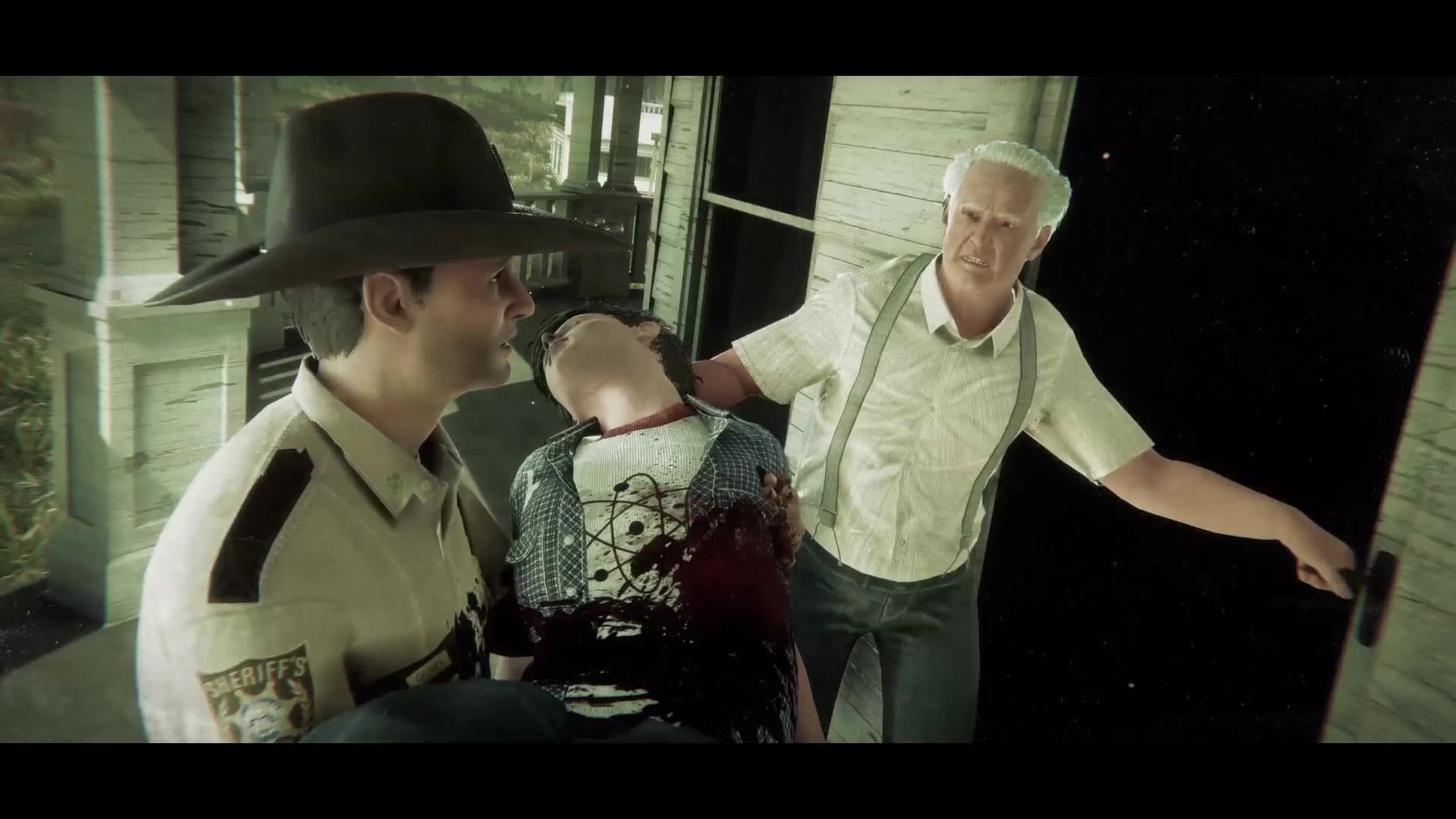
During my playthrough, Carl Grimes died. It was a major story moment. Characters witnessed it. They buried him. Everyone knew what happened.
Two chapters later, Shane casually informed me during a random combat encounter that he needed to do everything possible to keep Carl safe.
Carl. Carl who was already dead. The child Shane helped bury... Moments like this happen often enough that they stop being shocking and start becoming comedy.
Even stranger, the game's emotional tone rarely matches what's happening in the story. After a major character died during another mission, I returned to headquarters expecting some kind of reaction. Grief. Shock. Anger. Anything. Instead, everyone acted like they had just returned from a pleasant afternoon picnic, making no mention of the events that just happened.
Nobody seemed particularly bothered. The apocalypse is hard, but apparently good writing that takes into account past events is harder.
I could stop here but I have to get this next bit off my chest as well. The writing issues extend beyond the story itself. Characters constantly repeat the same handful of combat and exploration voice lines. After a while, you'll hear phrases like: "More ammo is always welcome."... "Finders keepers."... "Lock and load." Over. And over. And over.
The repetition becomes exhausting, but what's even funnier is hearing certain characters say things that feel completely out of character. Would Hershel Greene really be running around enthusiastically shouting "Lock and load"? I don't know about you, but that doesn't sound like the wise, soft-spoken farmer I remember from the show.
The game often feels less interested in portraying these characters authentically and more interested in making sure someone says a generic action-game one-liner every ten seconds. It was exhausting.
The World Beyond Polish
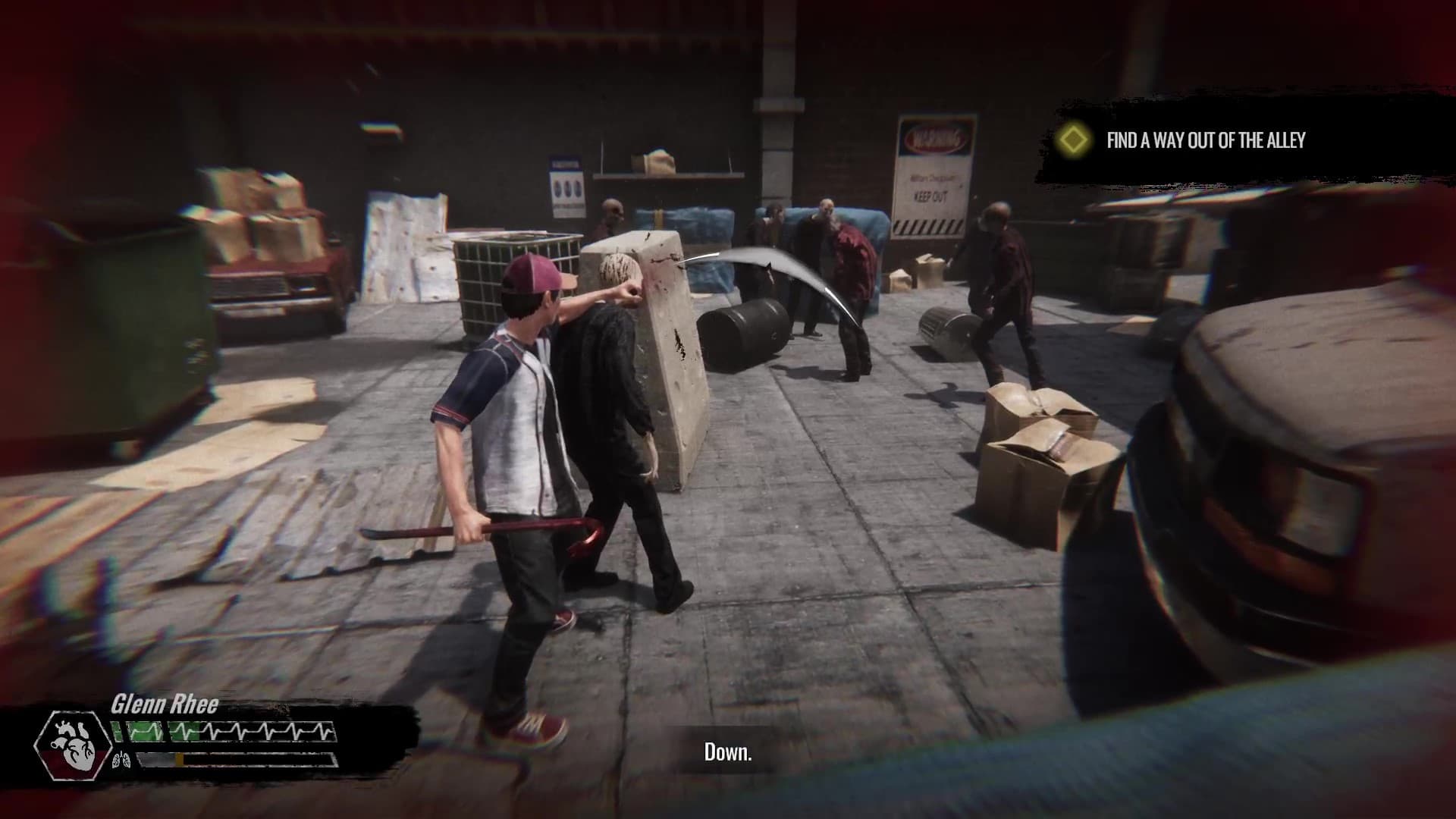
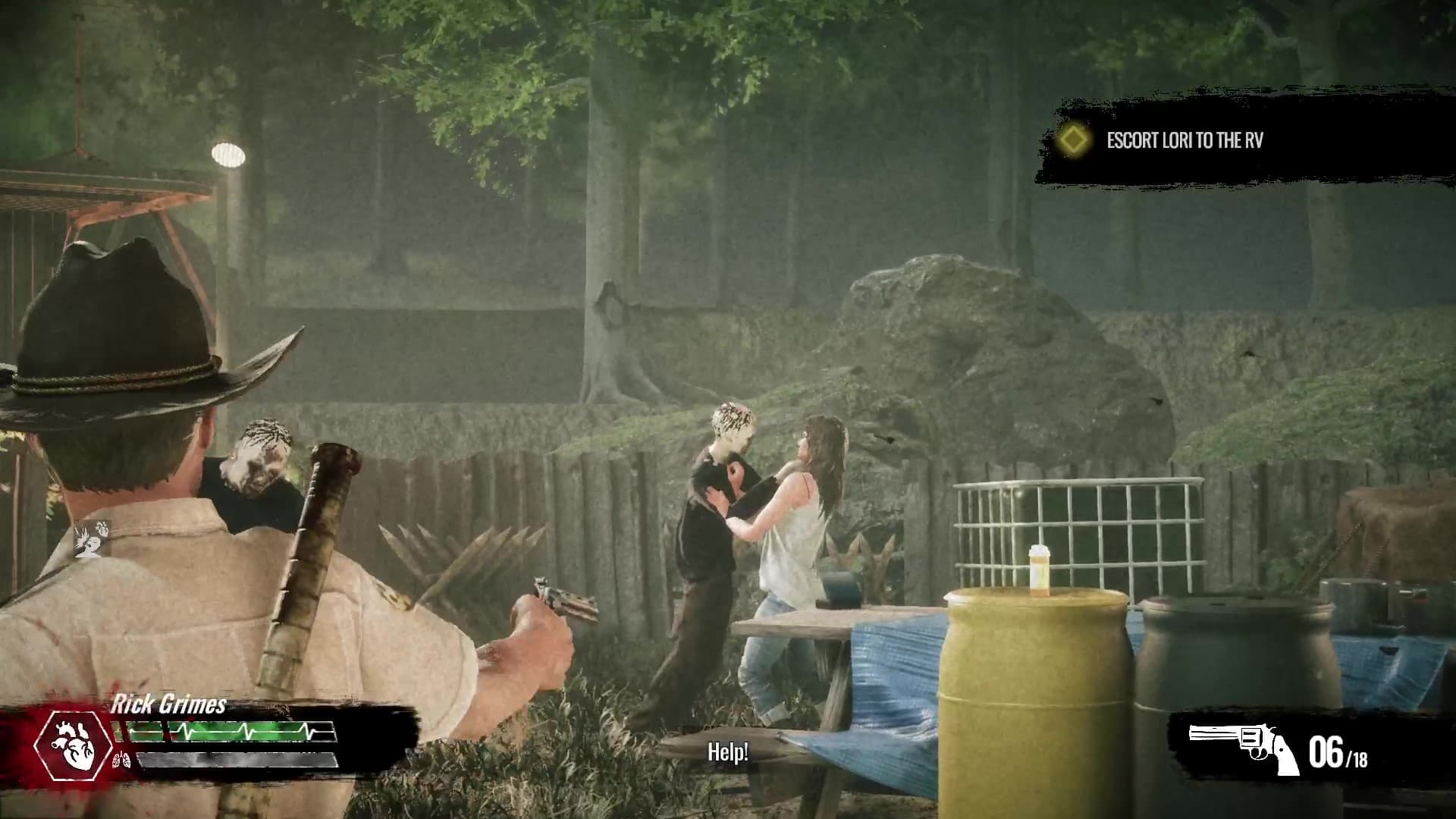
Unfortunately, the problems don't stop with the writing. Combat is functional, but repetitive. Walkers rarely feel threatening, enemy encounters blend together, and the overall gameplay loop starts showing its limitations fairly early.
Technical issues don't help matters, either. I experienced graphical clipping in some spots, audio would drop completely during some cutscenes, and enemy AI was wonky at best. It all has an unpolished feel. One thing that stuck out to me was when I got to Episode 21 and noticed it was introduced as Episode 1. It's a small mistake, sure, but it perfectly summarizes the overall experience. It's just so careless. And Destinies is filled with moments that feel this way constantly. Utterly careless.
The visuals look dated. Animations are stiff. AI behavior can be questionable. Numerous little problems stack on top of each other until the entire experience starts feeling like a rough draft that somehow made it to store shelves.
The Timeline We Got
I don't think The Walking Dead: Destinies is memorable because it's a bad video game. I've certainly played worse. What makes it memorable is how clearly you can see the better game hidden underneath it.
The foundation is there. The concept is there. The source material is there. The opportunity was there. What isn't there is the execution.
For fans of The Walking Dead, there's a strange fascination in seeing your favorite characters and iconic storylines remixed into alternate realities. There are occasional moments where the game's premise shines through and reminds you why the idea was exciting in the first place.
Unfortunately, those moments are buried beneath awkward writing, repetitive gameplay, technical shortcomings, and an overall feeling that the game needed significantly more time, care, and resources. In another timeline, The Walking Dead: Destinies might have been an excellent exploration of choice, consequence, and alternate histories.
Sadly, that's not the timeline we got.