
When I saw that the HBO series was set to release Season 2 in April of this year, I felt that familiar itch to return to The Last of Us Part II and finally see it through to the end. The original Last of Us is, without question, one of my favorite video games of all time. Easily Top 3—and depending on the day, my absolute favorite. So when the sequel dropped back in 2020, I was all in.
When Part 2 originally dropped, I started strong, got about halfway through, and… stopped. I wasn’t having a bad time, but something didn’t click. The game felt huge compared to the first, and the big twist midway through threw me off completely. I remember setting the controller down and thinking, “Okay, I need time to process this.” That “time” ended up lasting a few years. The story, which was fairly engaging up to that point, hadn't hooked me like the first game did. I didn't feel compelled to see it through to the end. And I wasn't really sure why.
Fast-forward to recently and I decided to give Part II another go. And this time, I stuck with it. I experienced the full, brutal, emotional rollercoaster the way it was meant to be experienced, and I walked away with a lot of thoughts.
A Story That Dares to Challenge You
Even years after its release, The Last of Us Part II remains one of the most divisive games ever made. Fans are split right down the middle, with some calling it a masterpiece and others saying it completely missed the mark. And after finishing it myself, I can see both sides.
Without getting into spoilers, this game takes some very bold storytelling risks. It doesn’t hold your hand or aim to make you feel comfortable. Instead, it forces you to confront uncomfortable emotions... grief, anger, guilt... and really think about how far you’re willing to go for revenge.
While the story in Part II wasn’t my favorite, I came away respecting what Neil Druckmann and the team were going for. They didn’t want to tell a safe story. They wanted to tell a human one, with all the pain and contradictions that come with that. Some people will hate where the narrative goes; others will love it for daring to go there at all. Both reactions are valid, and that’s what makes this game so fascinating. In order to tell the story they wanted to tell, I felt that one specific narrative decision had to be made. Could they have done something different? Maybe. Take away one of the biggest things that drove the original game and you're absolutely gambling, forcing other characters to shoulder the weight of the narrative and the emotional drive behind it all. On paper it made sense. In practice, though? I guess that's on you to decide how you feel about it.
For me, the story worked most of the time. There were moments that hit incredibly hard. There were scenes where I felt my chest tighten, moments where I actually had to pause just to breathe. But there were also parts I wish had been trimmed or explored differently. A few subplots dragged longer than they needed to, and by the time I reached the end, the pacing had definitely worn me down.
Still, even if I didn’t love every narrative choice, I can’t deny that it left me thinking long after the credits rolled.
Beautifully Brutal and Refined Gameplay
On the gameplay front, Part II is a decent step up from the first game. Naughty Dog took the foundation of The Last of Us and cranked everything up: smoother movement, smarter enemies, more open environments, and an insane level of environmental detail.
Every encounter feels tense and personal. The AI is vicious. Enemies flank you, call out to each other by name, and panic when their friends go down. It gives each encounter an emotional edge, like you’re not just fighting faceless goons but people with a sliver of personality and have identities of their own.
The stealth mechanics are tighter, the combat more fluid, and the crafting and scavenging systems still hit that perfect balance of tension and reward. When resources are scarce and every bullet counts, you really start to feel that survival pressure again.
Going back to the idea of more open environments really quick... While I do appreciate how open the game world can be in some areas and there's lots to explore and discover, I honestly felt like this hurt the game's pacing. While the environments were absolutely done well and full of detail and life, I almost always felt ready to move on to the next area before I was even halfway done exploring where I was at. In this way, I think there was too much to see and do. For me, while mindless exploration isn't bad, if you're going to encourage your players to do it constantly, exploration should be either adding to the world-building, developing a character, advancing the plot or potentially all of those combined. In most areas, none of these things were happening and that really drew out the game's play time in a negative way for me.
Visually though, this game is stunning. From rain-soaked cityscapes to overgrown ruins, every environment feels alive. You can tell Naughty Dog poured their heart into making this world believable. The small details like the way light bounces off wet pavement, how grass moves as you crawl through it, or the entry and exit wounds of a well placed bullet on an enemy make the experience feel grounded, realistically brutal, and cinematic all at the same time.
A World That Feels Heavy
If the first game was a road trip about love and survival, Part II is a slow, painful descent into vengeance. It’s darker, meaner, and far more emotionally exhausting. There were stretches where I had to take breaks. Not because the game was boring, but because it was draining. And that sort of went both ways.
But I think that’s the point. The Last of Us Part II isn’t a game that wants to entertain you nonstop. It wants you to wrestle with what you’re doing, to feel the weight of every action. It’s not a revenge story where you cheer when justice is served, it’s one where you’re left wondering what justice even means anymore.
That moral grayness might be part of what turned so many players off, but it’s also what makes the game stand out. Love it or hate it, I don't think you can walk away indifferent. Say what you will about that early game shocking scene or the game's mid-point, they're absolutely necessary to tell the sort of story the developers wanted to tell. Do I personally think these were the best narrative choices? Not really. But, I think I understand them. Even if I don't agree with them.
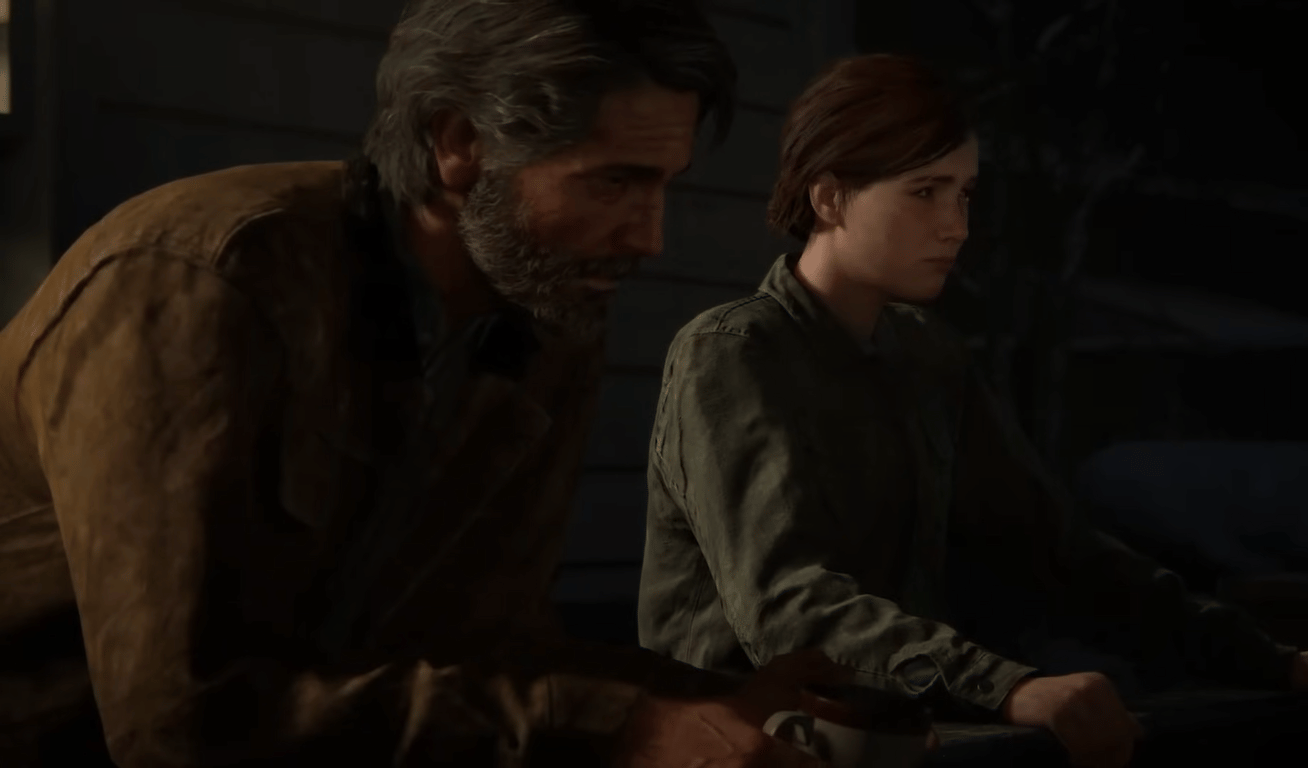
Accepting What It Is
At the end of the day, I did enjoy my time with The Last of Us Part II, even though it felt about six hours too long. It’s a game filled with breathtaking moments, both visually and emotionally. The performances are top-tier, the gameplay is refined to near perfection, and the world is so meticulously crafted that it’s hard not to get lost in it.
But it’s also a heavy, punishing experience that asks a lot from you. It’s not a game I’d casually replay, but I’m glad I finally saw it through. It challenged me, frustrated me, and really made me think about how we tell stories and the messages we want to relay to those experiencing them.
The Last of Us Part II might not replace the first game as my favorite, but it earns my respect as one of the boldest and most emotionally complex games of the last decade. It doesn’t give you the story you want, it gives you the story it wants to tell. And whether or not you like it or resonate with it is completely up to you. There is no right or wrong way to feel about this game. And in my opinion, that's the best part.
"Main Theme" from The Last of Us Part II (Sony Interactive Entertainment, 2020). Downloaded via KHInsider. All rights belong to Sony Interactive Entertainment.