
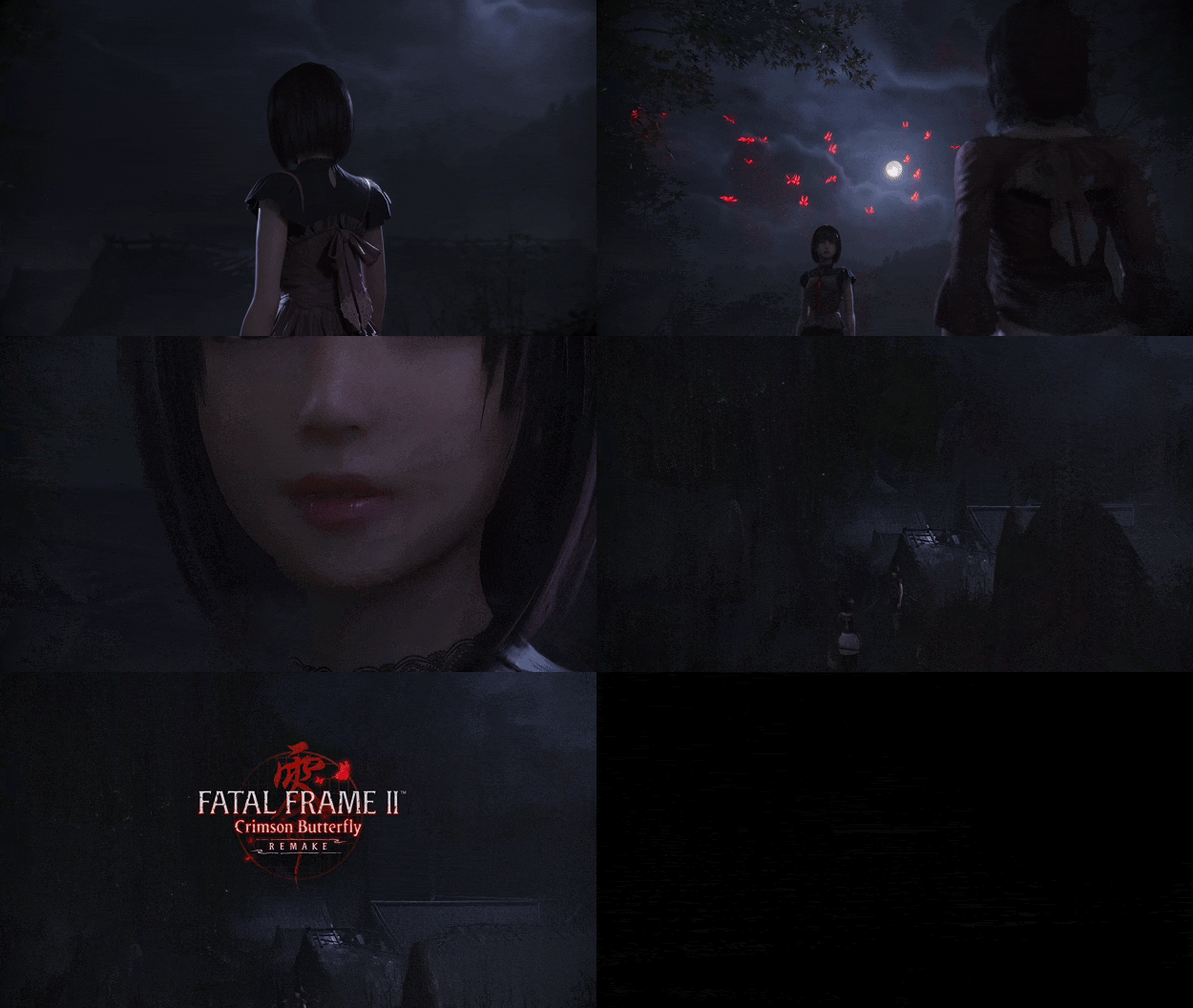
There’s a strange balancing act at the heart of Fatal Frame II: Crimson Butterfly Remake. On one hand, it successfully modernizes one of the greatest survival horror games ever made. On the other, some of those same modernizations slowly chip away at the very things that made the original so special to me.
And yet, despite my reservations, I had a hard time putting it down.
Having recently played through the original PlayStation 2 release for the very first time before jumping into the remake (Check out my full length podcast episode on the original Fatal Frame 2 HERE), the differences were fresh in my mind. As someone who generally prefers classic survival horror design (fixed camera angles, limited resources, emphasis on vulnerability), I expected to spend much of my time comparing the two versions. Instead, I found myself getting pulled into the remake's atmosphere, story, and very enjoyable combat loop.
In fact, at the time of this writing, I'm currently working toward the Platinum trophy, which probably tells you a lot about how much I enjoyed my time wandering through this Minakami Village all over again.
Through the Fog of the Past
Fatal Frame II: Crimson Butterfly follows twin sisters Mio and Mayu Amakura after they become trapped inside a mysterious abandoned village hidden deep within the woods. As they search for a way out, they uncover the village's horrifying past and find themselves haunted by restless spirits tied to an ancient ritual.
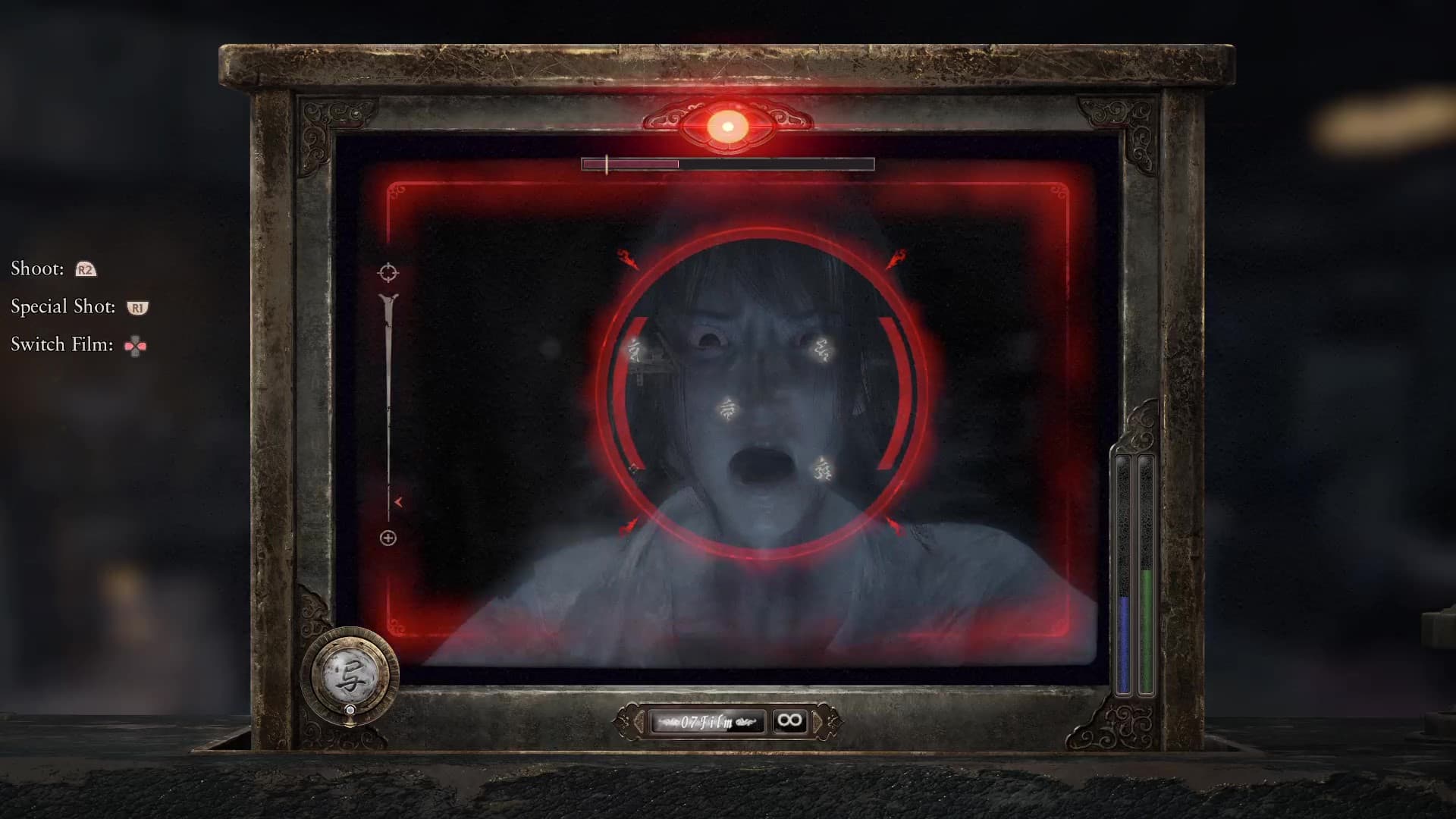
Unlike most survival horror games where you defend yourself with guns or melee weapons, Fatal Frame arms you with the Camera Obscura, a supernatural camera capable of damaging and exorcising ghosts and other hostile wraiths. The closer and clearer your photographs are, the more damage you inflict. The catch is, you generally have to get close for the perfect shot and make yourself vulnerable. You're quite literally looking face to face at your fears.
The remake retains the original story almost entirely while adding new locations, side content, expanded combat mechanics, and a modern over-the-shoulder camera perspective. The result is a version of Fatal Frame II that feels more approachable to modern audiences while still preserving the emotional core of Mio and Mayu's journey. Though it's not all picture perfect. More on that in a bit.
Whispers in the Dark
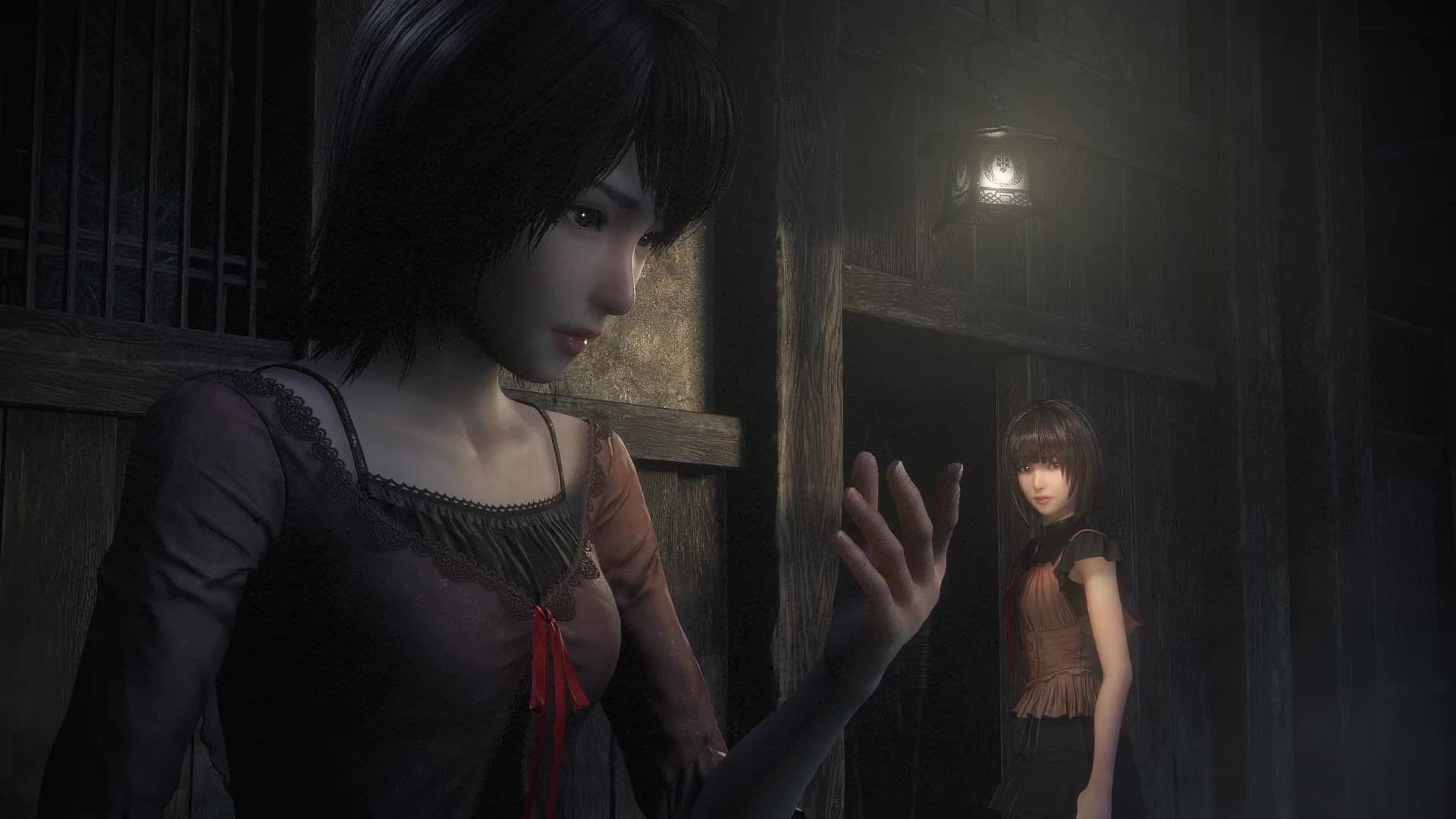
What impressed me most about the remake was just how effective its atmosphere remains. The original game already excelled at making players feel isolated, but the remake doubles down on that feeling through its visual presentation and sound design. The village feels old, forgotten, lived in. Every abandoned house tells a story. Every dark hallway feels like it hides a secret.
The audio work deserves particular praise. Something as simple as climbing an old wooden staircase became memorable because of how convincing it sounded. The creaking and groaning of old wood felt so authentic that I constantly expected the steps beneath Mio to give way.
Combined with the ambient music and environmental sounds, the village becomes a character in its own right. Even when nothing is actively chasing you, the game keeps you on edge and I was always looking around, preparing for... I don't even know what.
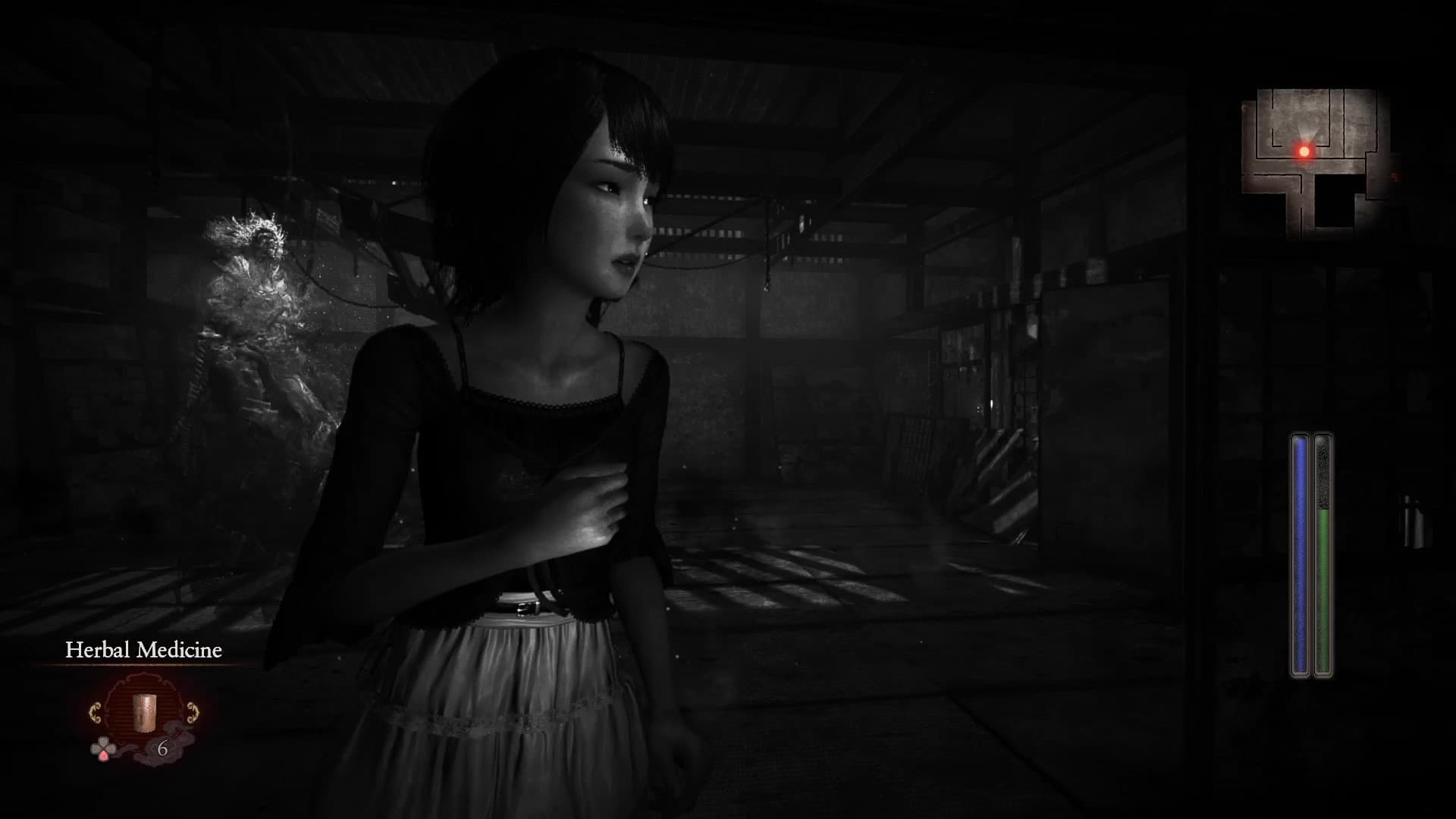
The graphical overhaul helps tremendously as well. Mio and Mayu look fantastic, and the spirits themselves are far more detailed than they were in the original release. I found myself noticing little visual details in the ghosts that simply weren't possible to make out on PlayStation 2 hardware. Things like old wounds, scars, real hints as to who these people used to be and how they might have died.
The result is a world that feels richer, darker, and more unsettling than ever before. I firmly believe that horror games can only get better in the presentation department as technology evolves, and the Fatal Frame II Remake is Exhibit A.
The Crimson Lens
The Camera Obscura remains one of the most unique weapons in gaming, and the remake expands upon it significantly.
Combat revolves around photographing hostile spirits. Well-timed shots deal more damage while earning Spirit Points that can be spent on upgrades and resources. The most rewarding moments come from landing a Fatal Frame, a perfectly timed photograph taken just as a ghost attacks. If you keep your distance you can stay safe, though you'll do less damage and use up valuable film. Get in close, you run the risk of putting yourself in danger as you get the perfect shot. It's a wonderful risk-versus-reward mechanic that continues to feel satisfying over two decades later.
The remake adds multiple camera lenses, special abilities, film types, and Special Shots powered by a new resource called Willpower. On paper, these additions provide greater tactical depth. Different lenses have different attack power, reload times and Special Shots tied to them. Willpower can be used for those Special Shots, but as you take damage or run around, it will decrease. If you lose it all, an attack will send you to the ground, making you incredibly vulnerable to a follow up attack or grab by a hostile wraith. Because of this, I didn't use Special Shots all that often. Further, I often found myself forgetting which lens was best suited for a particular situation. It was all slightly overwhelming for me personally.
The combat as a whole though, feels very fluid and responsive. Pulling up the Camera Obscura is quick, aiming feels natural, and encounters move at a satisfying pace. The over-the-shoulder perspective, while understandably controversial among some longtime fans, works surprisingly well during battles where reaction time matters.
Still, I couldn't shake the feeling that the remake occasionally overcomplicates things. Between the different lenses, film types, special attacks, Willpower management, and enemy states, combat sometimes felt more arcade-like than I expected from a game like this. Don't get me wrong, it's very fun and I had a blast most of the time, but I occasionally missed the elegance and simplicity of the original design.
Hands That Reach from the Darkness
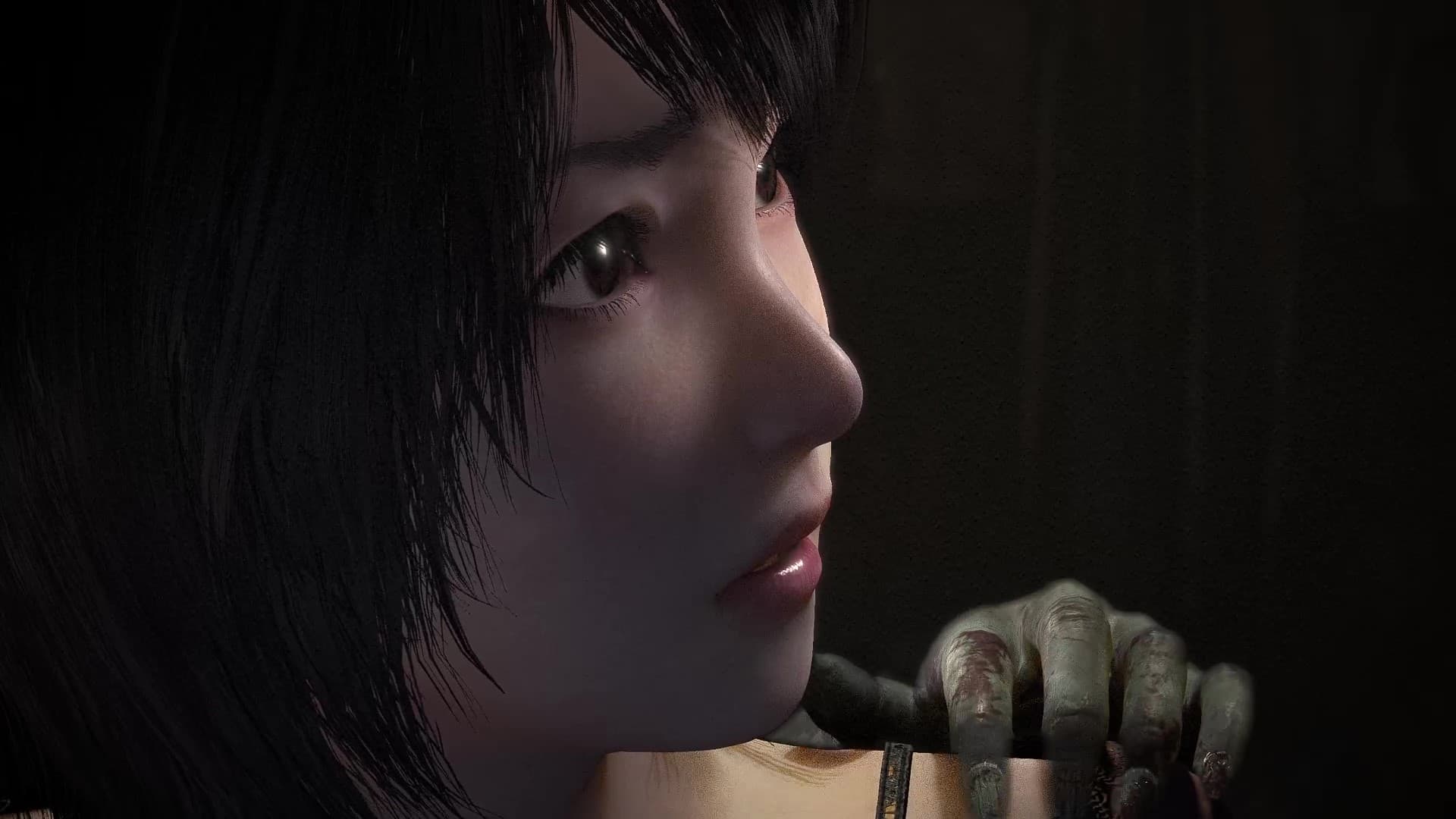
For a game that gives players more combat options, the remake still understands how to create tension. Some of my favorite scares weren't elaborate set pieces or a well crafted cutscene. They came from opening doors or picking up items. Most of the time, nothing happens. But every once in a while, a spirit suddenly lunges from the darkness to grab you or is waiting behind a door ready to pounce.
Those moments never completely stopped working on me. Even multiple hours into the game, I found myself hesitating before interacting with an object or opening a closed door, silently hoping I'd be allowed to continue on my way without being assaulted by whatever nightmare happened to be lurking nearby.
The remake also makes clever use of a couple of the more iconic spirits. I particularly enjoyed how the Kusabi, an invincible wraith from the original game, was transformed into somewhat of a stalker-like threat during certain sections rather than being limited to isolated encounters. There's another female ghost central to the plot who acts the same way. Their appearances felt more meaningful and helped create the sensation that the village itself was actively hunting you. I will say, in these moments these spirits more so follow a patrol pattern than actively hunt you, but I still enjoyed the fact that they were much more involved in the gameplay experience.
Like the original game, the remake excels at building tension, releasing it through a jump scare, and then immediately beginning the process all over again. It's a simple formula, but it remains remarkably effective.
Butterflies Bound Together
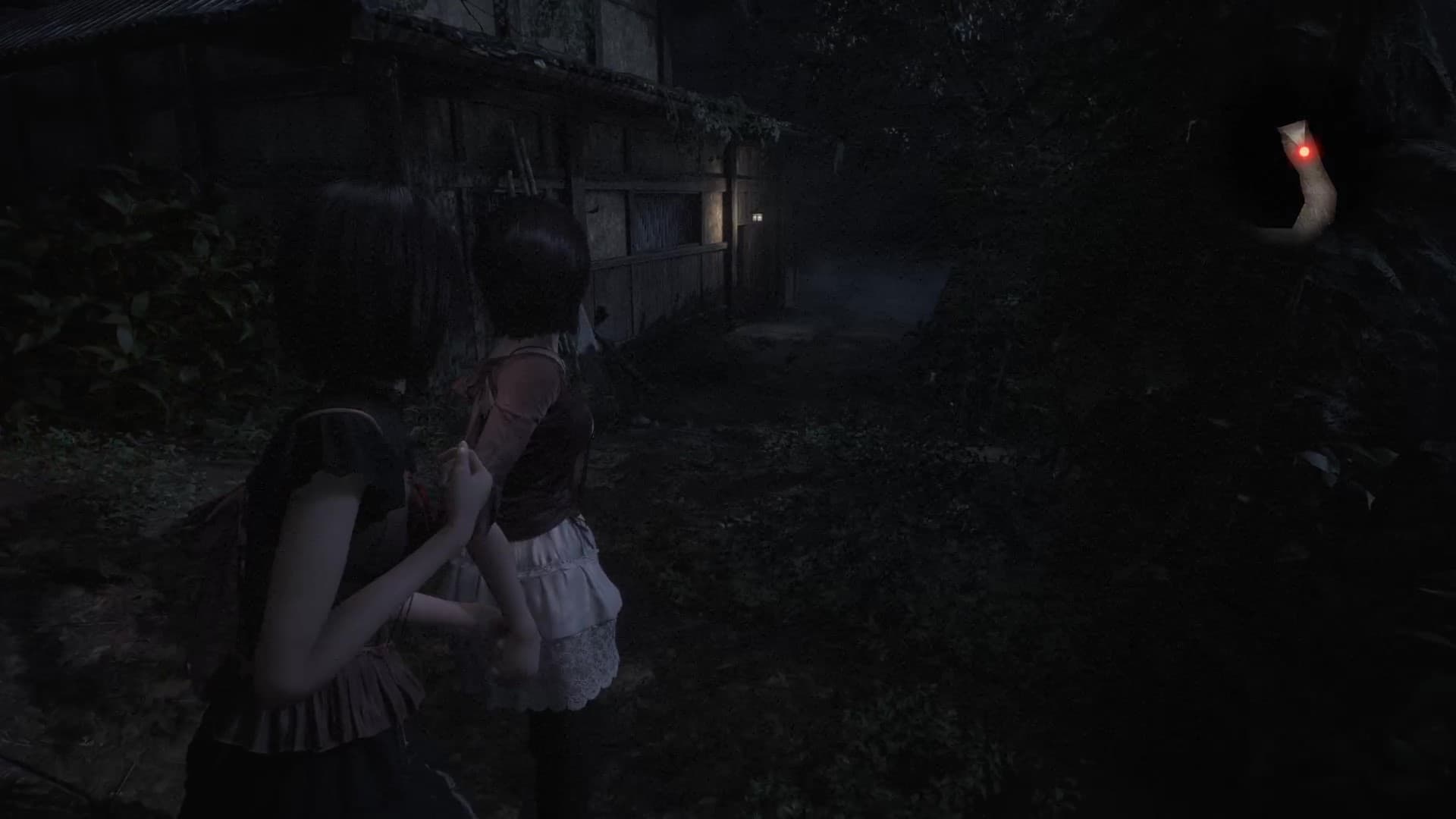
The emotional core of Fatal Frame II has always been the relationship between Mio and Mayu, and thankfully the remake understands that. The bond between the sisters remains as powerful and heartbreaking as ever.
One addition I particularly appreciated was the ability to hold Mayu's hand during certain moments. Mechanically, it restores health, but more importantly it reinforces the connection between the sisters in a way that feels natural. It's a small feature that adds surprising emotional weight.
Mayu is also less frustrating to manage than she was in the original release when she's present with Mio. She generally stays out of your way when you're lining up a photograph and doesn't block halls or doorways nearly as much. I felt more endeared to remake Mayu more so than the original one, and I found myself not just holding her hand and guiding her around because I had to, but because I wanted her to know that I was there, ready to look after her and find a way to escape this Hell. Together.
When the Camera Becomes Too Powerful
If I have one major criticism, which I've sort of hinted at as we've gone, it's that the remake sometimes undermines its own horror.
As I upgraded my camera and became more comfortable with the combat system, I gradually stopped fearing the ghosts. I started looking forward to encounters. I had a similar issue with the original game, to be fair. To be clear, that's not necessarily a problem in many horror games. After all, becoming stronger is a natural part of progression. But Fatal Frame has always been a series built on vulnerability and dread. The more capable I became, the more the atmosphere began taking a backseat to the action, and I think the remake with all of it's modernizations and increased combat options is worse for this.
One example that comes to mind are that enemy spirits can now become "aggravated", restoring some of their health and becoming more resistant to damage. Rather than creating tension, I mostly found this mechanic annoying because it drained resources without offering much in return and really slowed the game down while I dealt with them.
The new Willpower system left me similarly conflicted. I liked the concept behind it, but because I rarely relied on Special Shots, it often felt like one more thing to monitor rather than a meaningful addition.
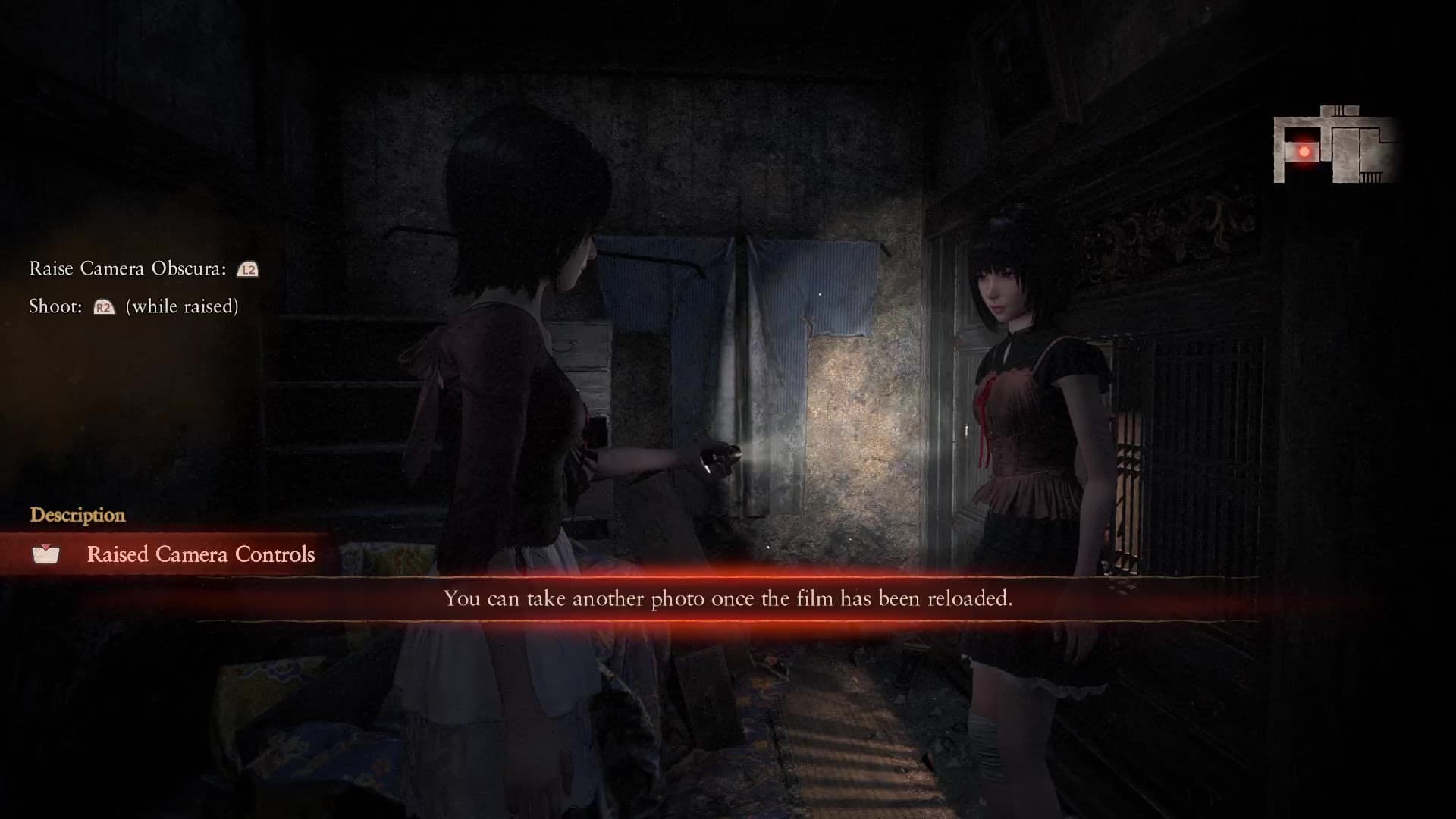
The whole experience often feels caught between honoring a survival horror classic and modernizing it for contemporary audiences. Sometimes it succeeds beautifully. Other times, it feels like modernization for modernization's sake. Like when the remake makes absolutely sure you know how it all works, all the time, with tutorial messages and callouts. Man. I miss the days where I had to figure out most things on my own.
The Final Photograph
The Fatal Frame II: Crimson Butterfly Remake may not completely surpass the original, but it absolutely earns its place beside it.
The visuals are gorgeous, the atmosphere remains haunting, the sound design is exceptional, and the story of Mio and Mayu is every bit as powerful as it was years ago. While some of the modern additions occasionally clash with the slower, more vulnerable horror that defined the original experience, the game is absolutely more approachable and enjoyable for a wider audience.
As someone who generally prefers classic survival horror design, I still find myself leaning toward the original PlayStation 2 version as the purer experience. Yet despite that personal preference, I thoroughly enjoyed my time with the remake and I think you would, too. I mean, I wouldn't be 30+ hours in on a third playthrough if I wasn't having a good time, after all.
When I think about it though, sometimes that's the highest compliment you can give a remake. It doesn't replace the original, it simply gives you another excellent reason to return to a place you never really wanted to leave in the first place, where you get to relive the best moments of the past while also finding new ways to enjoy it all over again.
Check out my full-length podcast episode on the original Fatal Frame here!
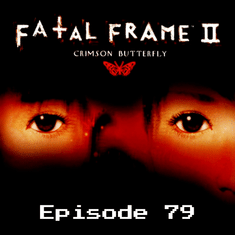
Retro Wildlands #79 - Fatal Frame II
Step into the darkness with this episode of The Retro Wildlands as we explore Fatal Frame II: Crimson Butterfly, one of the most haunting survival horror experiences ever released on the PlayStation 2. In this episode, we’re not just talking about the game… we’re playing through a bit together. From...
"Minakami Village Ambience" from Fatal Frame II (2003, Tecmo) Downloaded via Zophar's Domain. All rights belong to Tecmo.