


Revisiting a House Full of Memories
It feels like forever ago now, but I originally played Gone Home shortly after it launched on PC. At the time, I’d heard it described as this new kind of “walking simulator” where you explored an empty house to figure out where everyone had gone. That description came bundled with whispers of a spooky vibe, which intrigued me more than anything else. Once I actually sat down with the game though, it became clear pretty quickly that this wasn’t a horror experience in the traditional sense.
What surprised me most was how much the game stuck with me after I finished it. The story felt both tragic and beautiful, not just in its main throughline, but in all the smaller, quieter stories scattered throughout the house. Recently, I decided to revisit Gone Home on PlayStation 4, and I found myself appreciating it even more the second time around.
A Quiet House With Loud Feelings
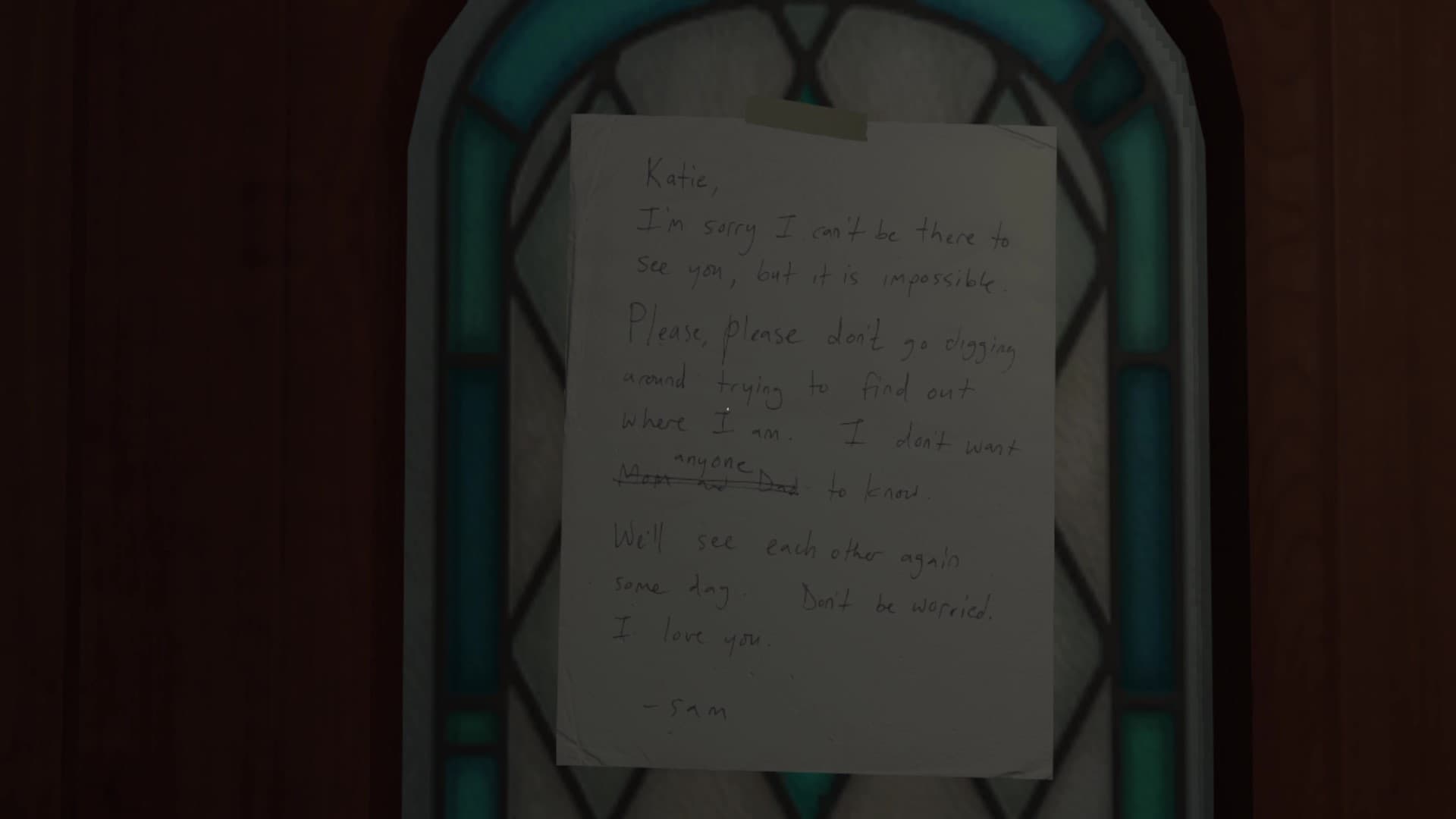
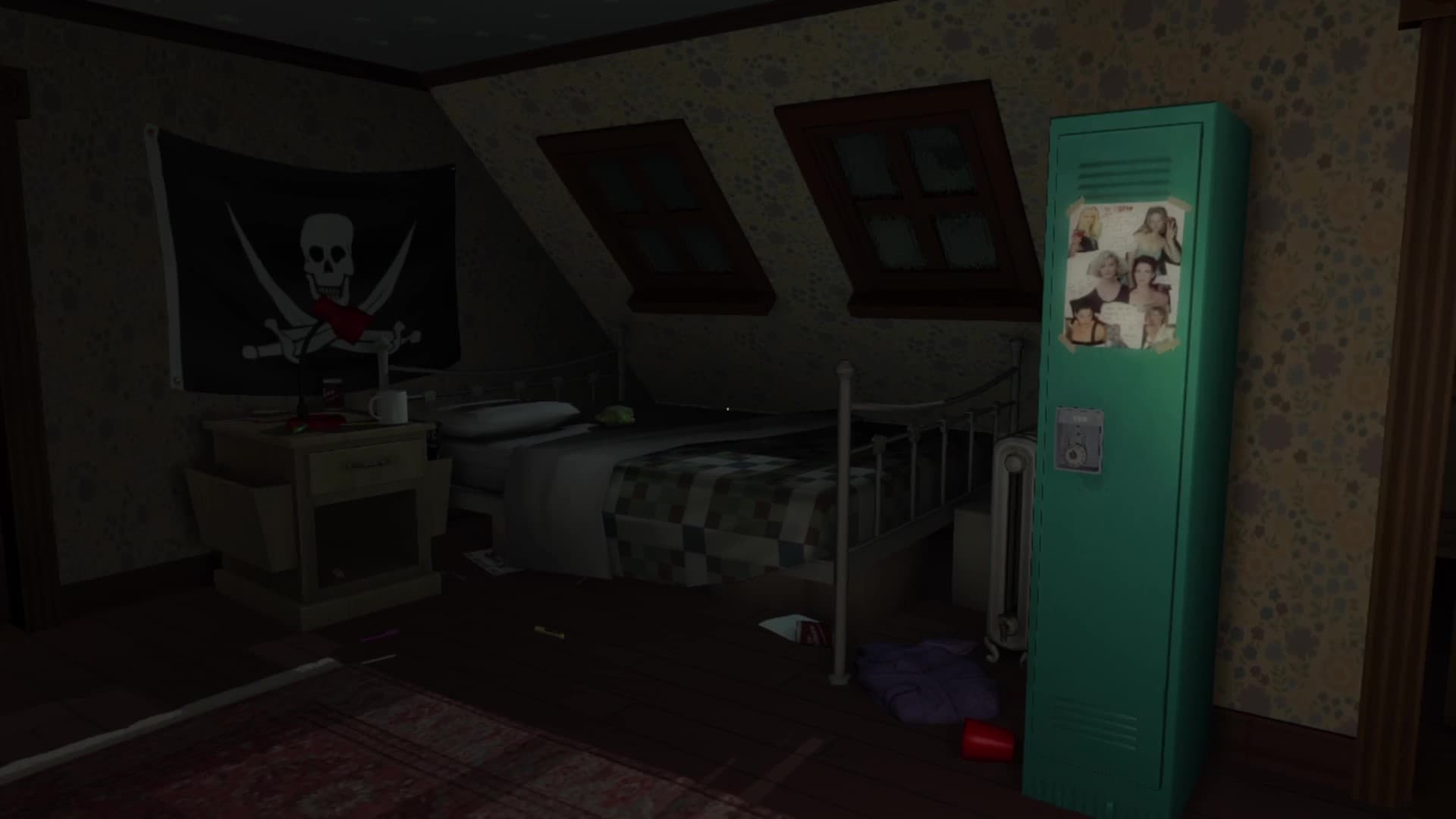
Gone Home's setup is simple and very effective. You play as Katie Greenbrier, returning home late at night after a year abroad, only to find the house completely empty. A note from your younger sister, Sam, is the only immediate clue that something is amiss. From there, the story unfolds entirely through exploration, and it's up to you to figure out where everyone has gone.
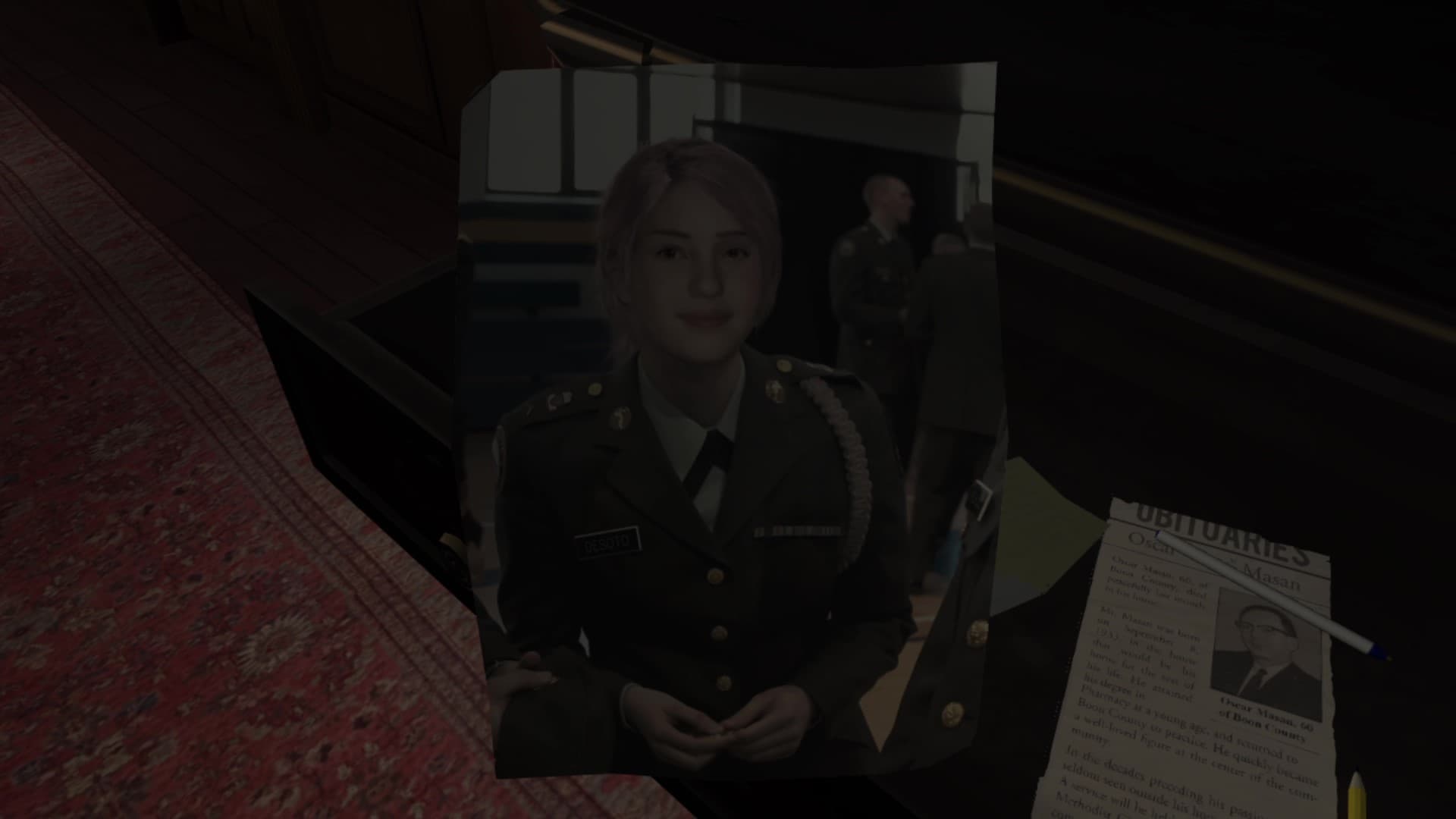
There are no cutscenes in the traditional sense and no characters physically present in the house. Instead, you piece together what happened by examining objects, reading notes, listening to audio logs, and paying attention to the small details scattered throughout each room. Gameplay-wise, this means walking, opening drawers, picking things up, and making sense of it all on your own terms. There’s no combat, no fail state, and no puzzles designed to stump you. Just a space to explore and a story waiting to be uncovered.
A House You’re Encouraged to Touch
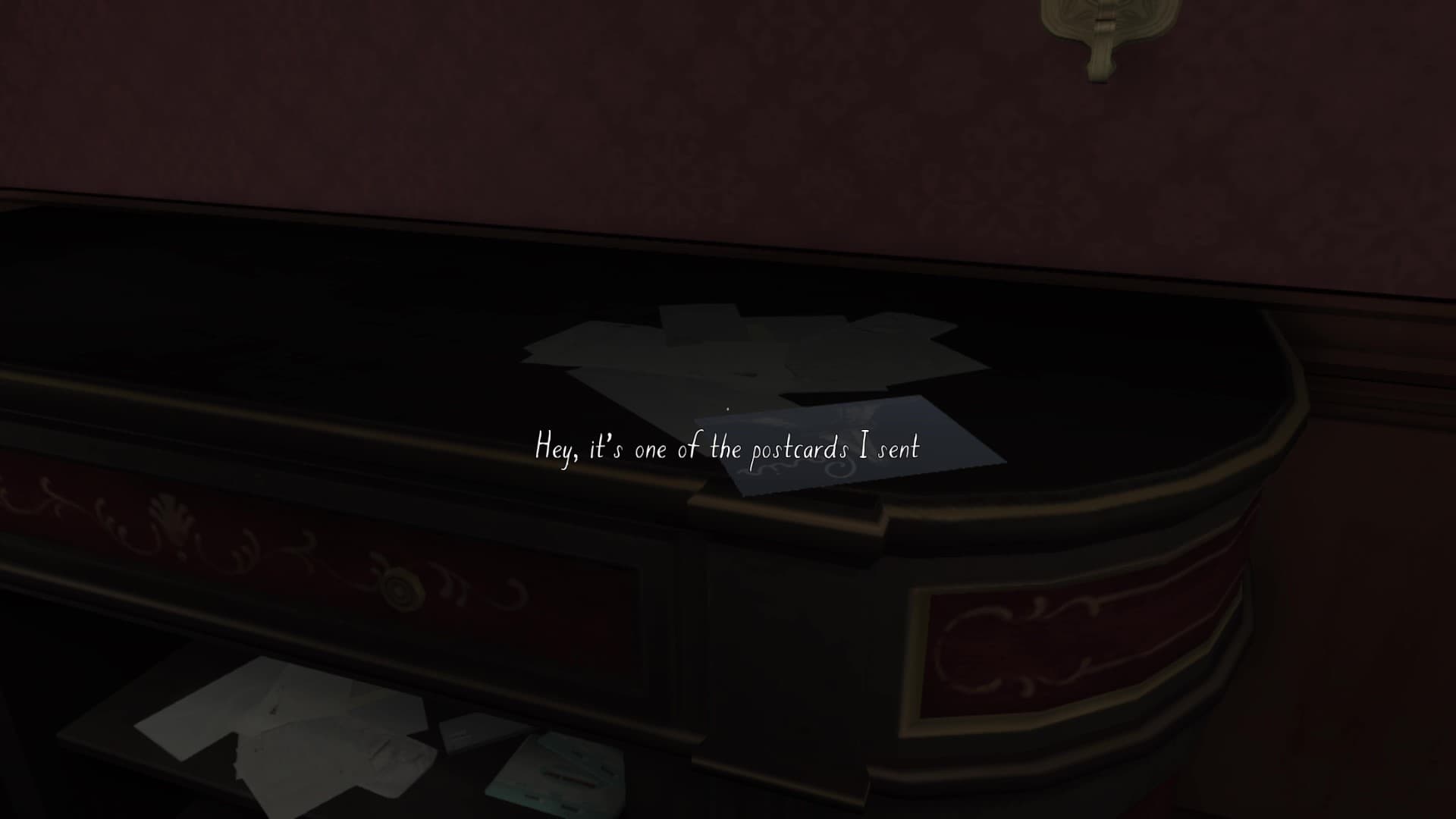
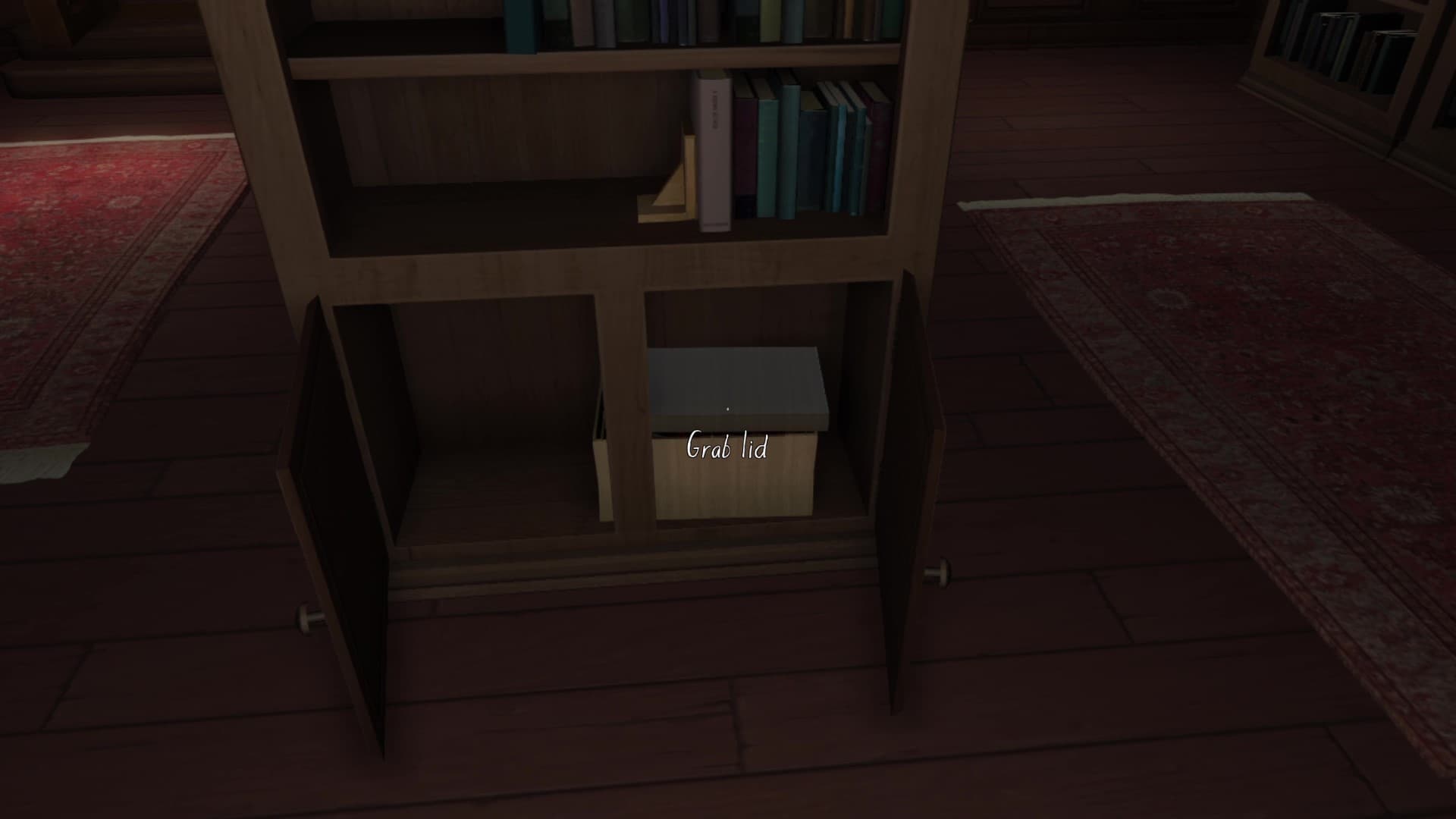
One of the first things that stood out to me, both then and now, was how freely the game lets you interact with the environment. You can pick up and inspect almost everything that isn’t nailed down. Letters, cassette tapes, books, knickknacks, you name it. Many of the items you find tell the story of the Greenbrier family, while other items may just be normal items you find in every home. Important or mundane, everything tells a story, or is part of one. It's up to you to be open to seeing that.
That freedom made the house feel real. The objects placed in the house weren't there just to advance a plot; it made the house feel lived in. I spent a lot of time examining things simply because I was curious, not because the game demanded it. That curiosity-driven exploration is the core of Gone Home, and it’s incredibly effective if you let yourself sink into it.
Getting to Know the Greenbriers
As you explore, you slowly piece together who the Greenbriers are as a family. Some details are subtle, inferred through context and repetition. Others are more obvious, spelled out in notes or audio logs. What I loved most is that the game trusts you to connect those dots on your own. You’re not handed neat character summaries or dramatic confrontations. Instead, you learn about these people the same way you’d learn about real strangers, by sifting through their stuff and trying to understand what it all says about them. By the end, it feels less like you’ve uncovered a mystery and more like you’ve come to know a family.
I want to talk about my favorite example of the game's attention to detail in this regard. It's small, powerful, and not part of the "main story", but if you want to discover this for yourself and not be spoiled even on the smallest of things, skip ahead to the next section....
Still here? Alright. So, my favorite example of the game’s attention to detail involves Katie’s father. You learn that he’s a writer, and as you dig deeper into the house, you find a note in the basement from Katie’s grandfather. It’s feedback on her father’s writing, bluntly telling him “you can do better.”
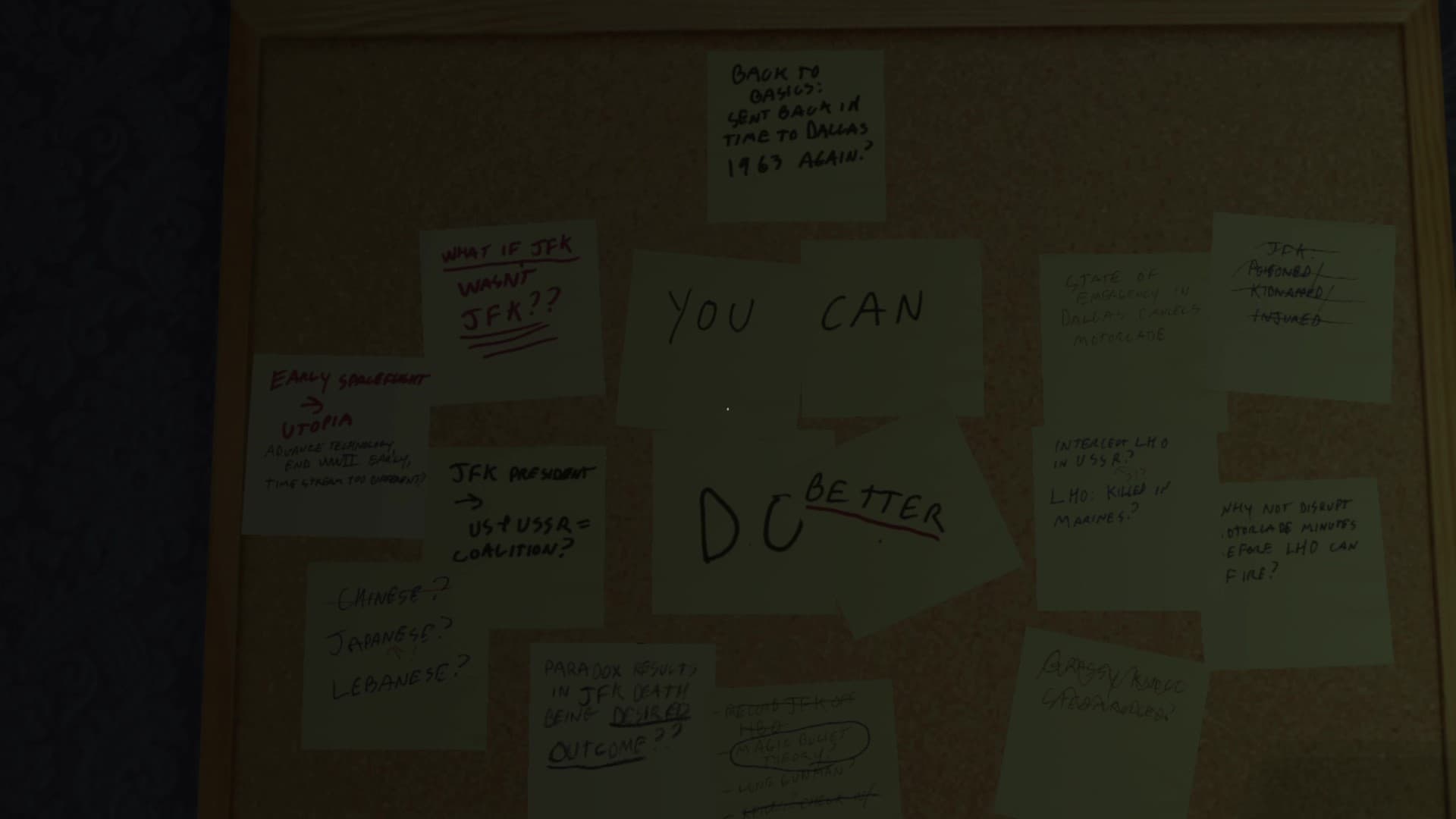
Later, in Katie’s dad’s office, you can spot a small note pinned to his corkboard that simply reads: “You can do better.” That one quiet connection says so much. You can feel how deeply that message stuck with him, and how it may have shaped his life and choices. It's really up to the player to decide if Katie's grandfather was supportive or harsh, and if her Dad used that advice as form of positive motivation, or if he was driven by how disappointed his own father might have been with him.
Moments like that are where Gone Home truly shines. The game excels at using tiny, easily missable details to carry enormous emotional weight. The only caveat being, you might miss these sorts of connections if you aren't paying attention or don't find all the items needed to put the pieces together.
A Coming-of-Age Story That Feels Real
At its heart, Gone Home is a coming-of-age story, and what makes it special is how authentic it feels. It’s not gamified. It’s not preachy. It simply presents its themes and lets you sit with them.
Throughout the experience, the game explores family tension, identity, and miscommunication. These themes are handled with a lot of care and respect, never feeling exploitative or heavy-handed. It’s a very human story, and that grounded approach is a big reason it still resonates years later.
Gone Home is entirely about exploration and context. There’s no combat, no mind-bending puzzles, and no traditional gameplay challenges. That simplicity gives the game a meditative quality that I really appreciated. On the flip side, I can completely understand why this approach might frustrate some players. If you’re looking for mechanics to master or challenges to overcome, this game simply isn’t interested in providing them. Personally, I didn’t mind at all. The lack of traditional gameplay let the story and atmosphere take center stage.
Length, Ambiguity, and Expectations
Gone Home is short, requiring you to spend two to three hours at most if you take your time. I appreciated that restraint, but I can see how others might be disappointed, especially considering there’s only one ending. Getting the most out of Gone Home though, is entirely on you as the player and how thoroughly you explore.
Even if you search every corner of the house, not everything is explained. Some questions are left unanswered, particularly when it comes to how the characters will move forward with their lives. I liked that ambiguity, but it won’t work for everyone. Because the game offers little guidance, it’s also possible to miss key story elements. It’s not always clear what details are crucial to the larger narrative and what’s simply there to flesh out the environment.
Meeting the Game on Its Own Terms
I truly believe that Gone Home is a game you have to meet on its own terms. If you do, it can be a powerful experience, one that lingers long after the credits roll. If you come in expecting a traditional video game, though, there’s a good chance it won’t land.
For me, revisiting Gone Home reaffirmed why it left such a lasting impression the first time. It’s quiet, personal, and confident in what it wants to be. And even in the sort of world we live in today, I think you can find a wonderful story here. All you need is the ability to go into the experience with an open mind, but more importantly, an open heart. If you can do that, you'll experience something genuinely beautiful.
"The House, Part 1" from Gone Home (Chris Remo, 2013). Downloaded via KHInsider. All rights belong to Chris Remo.