
A Hero’s Journey, Viewed from a Desk Chair
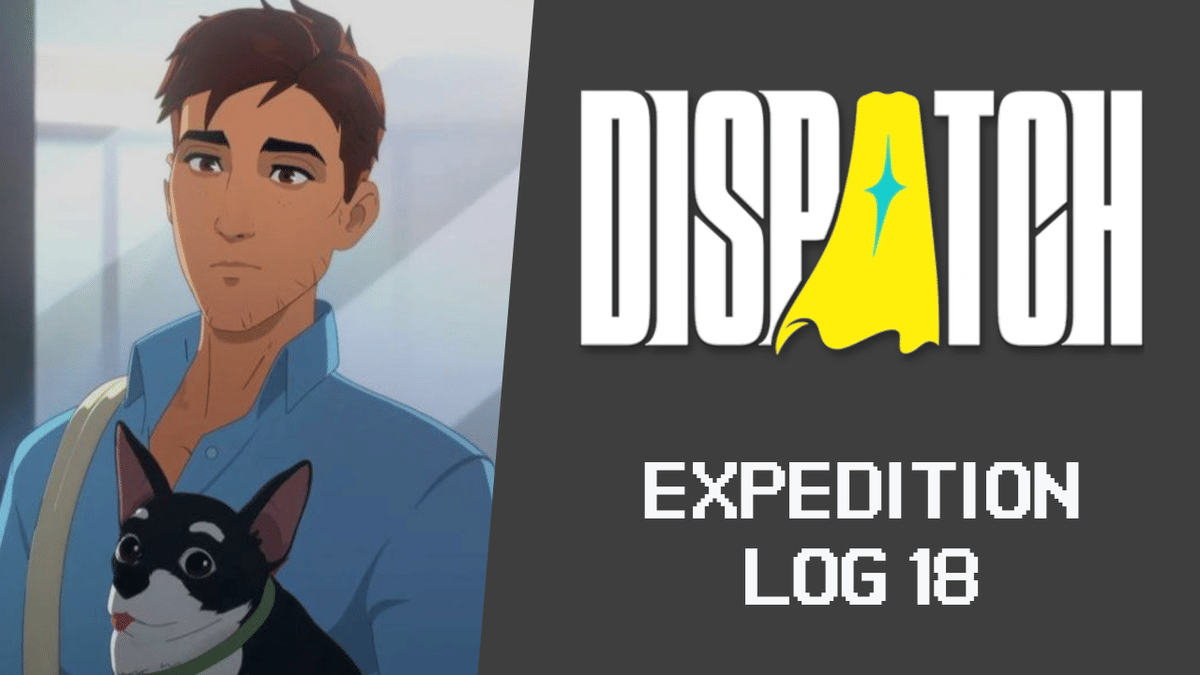
At first glance, Dispatch looks like another narrative driven game, but this one has superheroes. Capes, powers, villains with questionable fashion sense... You know, the usual. But instead of throwing you into spandex and asking you to punch crime in the face, Dispatch does something far more interesting: it puts you behind a desk. You play Robert Robertson, a deeply exhausted, emotionally guarded, formerly powered individual now working as a dispatcher for a team of villains who want to be superheroes. Your job isn’t to save the world directly, it’s to make sure the people who can save the world don’t screw it up.
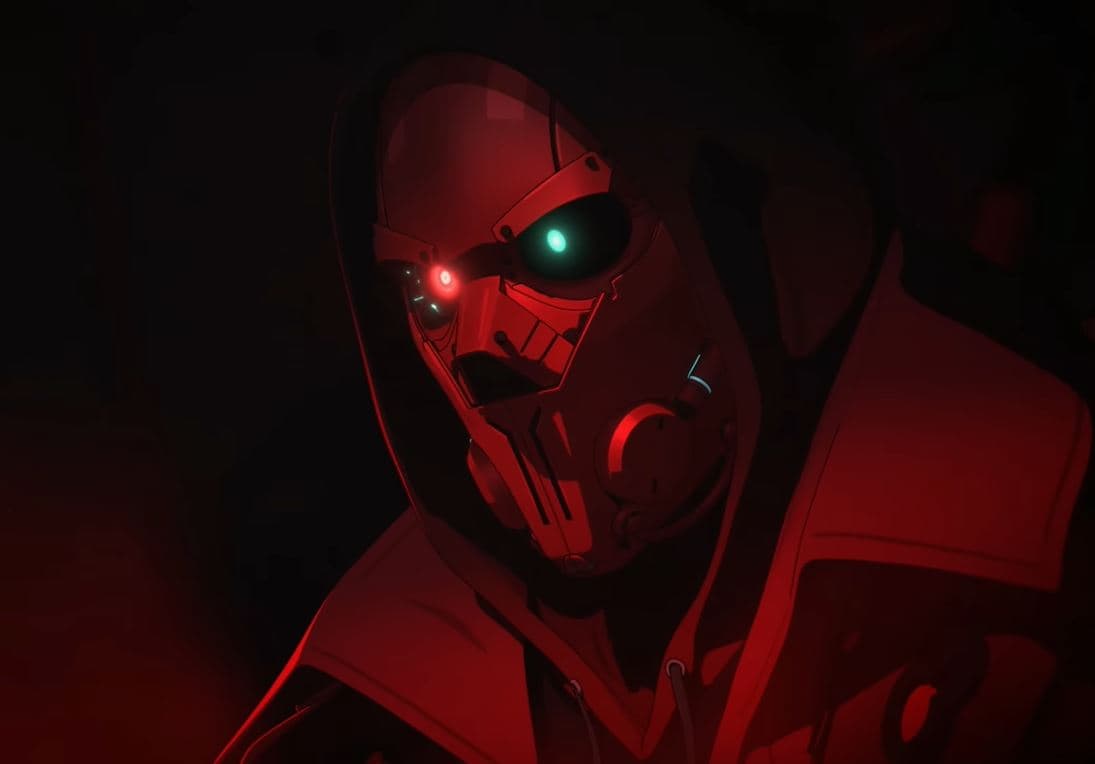
The central plot revolves around managing your roster of heroes while unraveling a larger mystery involving a supervillain known as Shroud. Along the way, Dispatch becomes less about stopping crime and more about navigating burnout, responsibility, identity, and what it means to help others when you’re barely holding yourself together.
The Human Behind the Headset
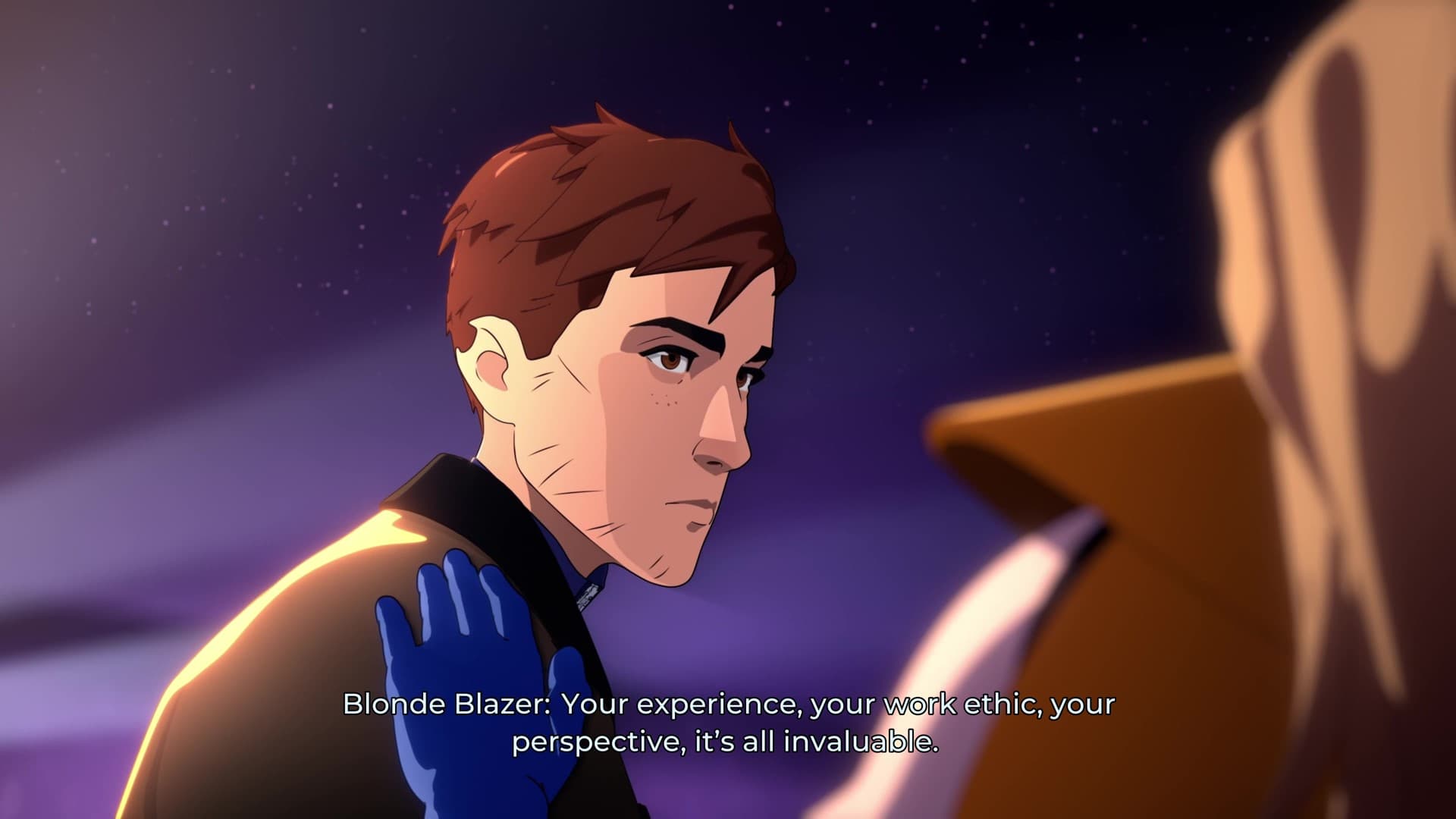
Robert is one of the most relatable protagonists I’ve played in a long time, and not because he’s aspirational. He’s flawed, emotionally walled-off, and worn down by past failures. In other words, a real human being.
His struggles with leadership, self-worth, and lingering regrets hit close to home for me. This isn’t a power fantasy, it’s more like a slow burn character study. While Robert doesn't have any superpowers, we learn early on that he was the hero Mecha Man (who is definitely not inspired by Iron Man). After suffering a major defeat, Robert can no longer use the Mecha Man suit, which leads into his new path of being a dispatcher for the SDN, Superhero Dispatch Network. Robert's bidding his time, waiting for his chance to get back in the fight. But somewhere along the line, Robert has to decide if that's his path, or if there are other ways to do good in the world.
What really works is that the game doesn’t rush his growth or smooth out his rough edges. Growth here feels earned, messy, and deeply personal, and that's the mark of good writing. In fact, every character in this game is just as compelling and fun to spend time with.
League of Extraordinary Weirdos: A Cast Worth Clocking In For
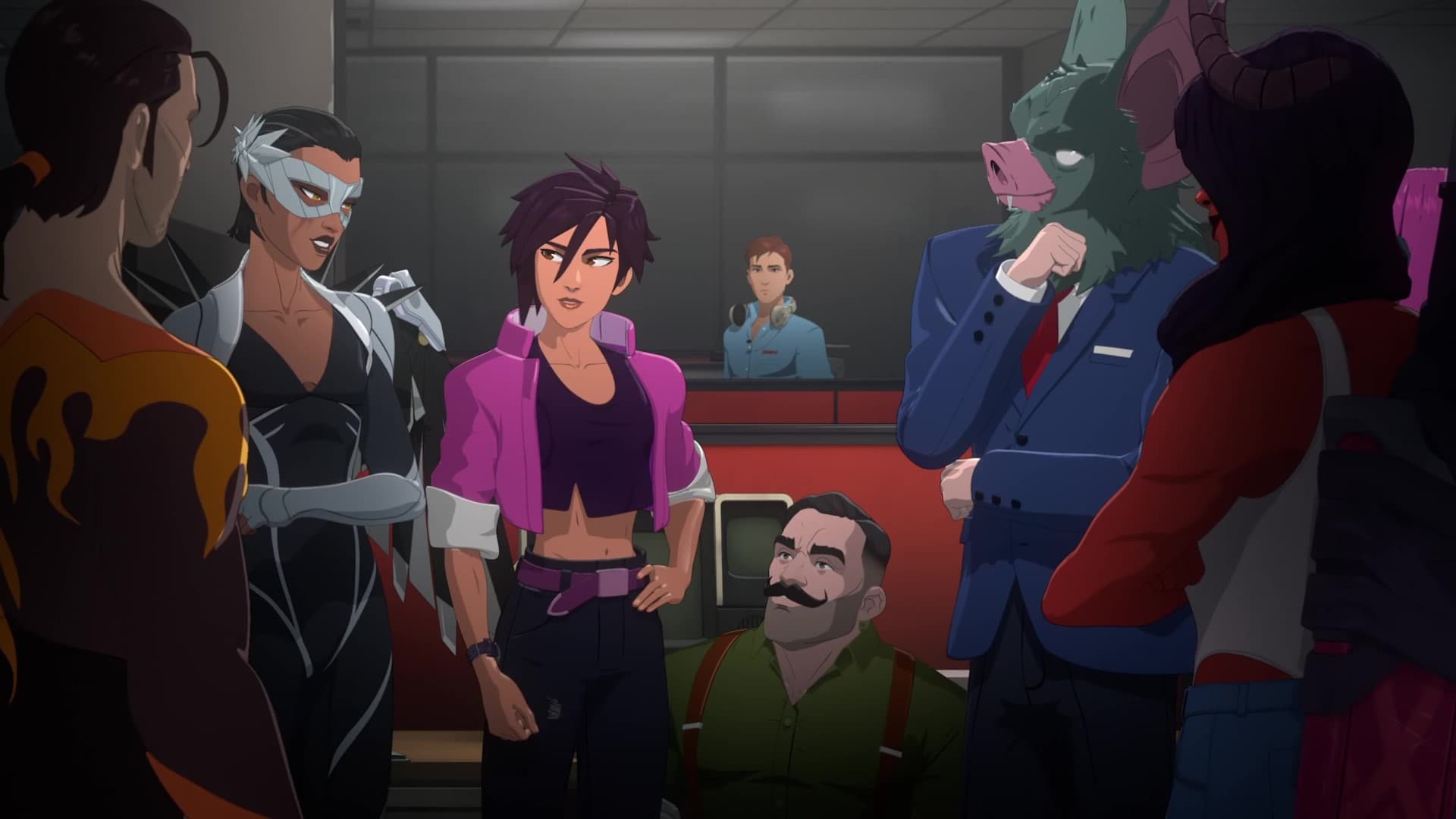
Dispatch lives and dies by its cast, and thankfully, the writers absolutely nailed it. The game features a large ensemble of characters, each with distinct personalities, insecurities, strengths, and interpersonal baggage. Some characters could potentially fall into some common tropes, but really, there wasn’t a single character I disliked or didn’t want to spend more time with. That’s a rare feat.
Every hero feels like someone you’d actually have to manage in a workplace. Even if egos clash, communication breaks down, and emotional baggage bleeds into performance. During dispatch segments, I loved learning how each hero functioned, what situations they excelled in, and how they meshed (or sometimes didn’t mesh) with others. It gave the game a satisfying rhythm, even when the mechanics themselves were fairly light.
The voice cast deserves serious praise here. Aaron Paul as Robert. Jeffery Wright as Chase. Laura Bailey as Invisigal. Erin Yvette as Blonde Blazer. Hell, all of them. Every performance brings personality and nuance, elevating the writing and making even quieter moments land. Emotional scenes, in particular, are handled exceptionally well. I laughed, smiled, fist-pumped, felt genuinely sad... And yeah. I shed a tear or two. If you allow Dispatch to tell the story it wants to tell in the way it wants to tell it, it'll resonate with you, I can almost guarantee it.
Dialogue Trees and Butterfly Effects That... Mostly Matter
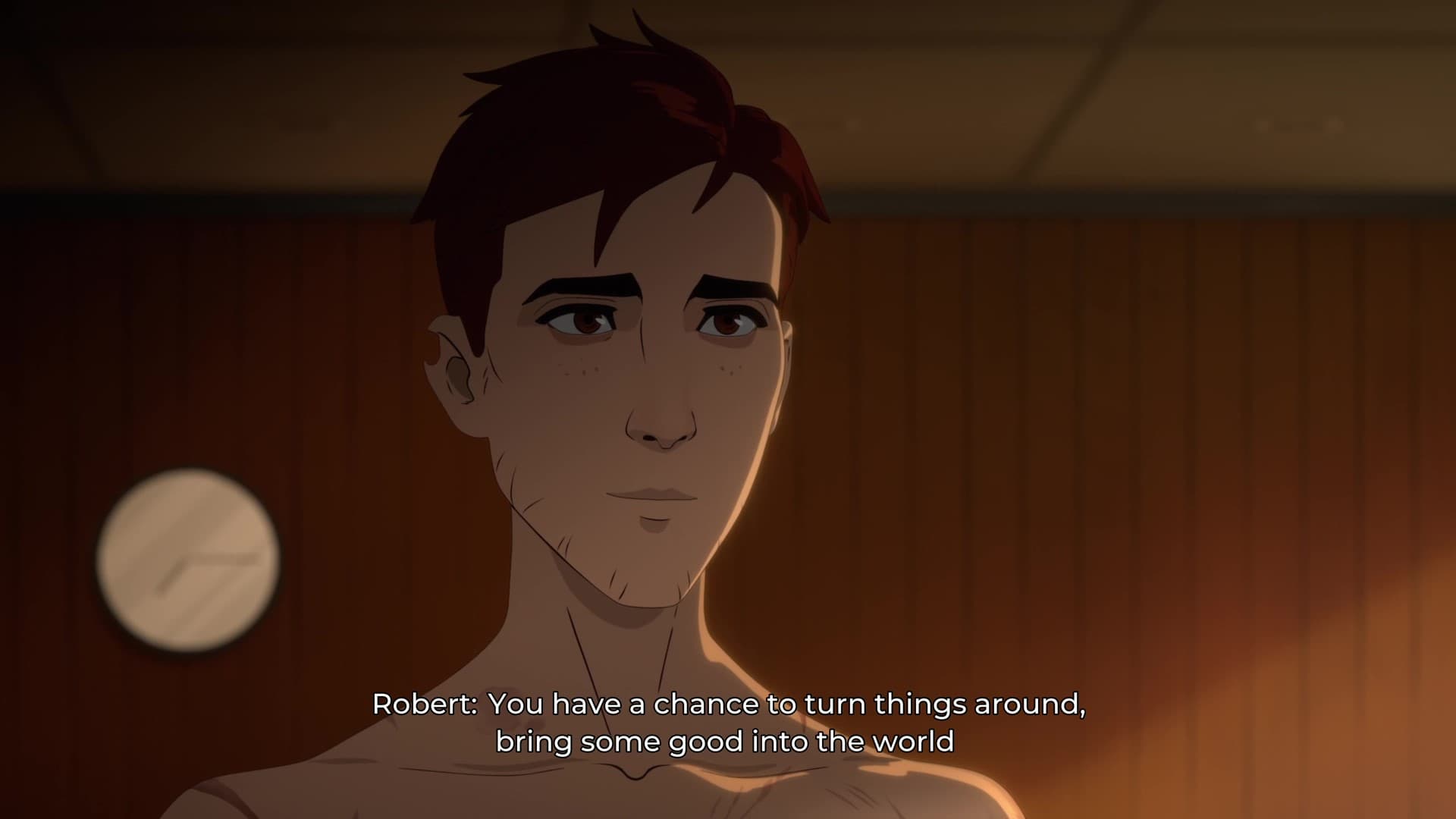
Let’s talk about choices. Not every dialogue option in Dispatch radically alters the course of the story, and the game doesn’t pretend otherwise. But here’s the thing: they feel like they matter, and often, they do. Choice driven narrative adventures often fall into the trap of giving players the illusion of choice while only wanting to tell a story a specific way, and those ideas often clash. Dispatch still has a specific story to tell, but I felt like the writing respected the choices you made a bit better than other narrative adventures I played. If nothing else, I felt compelled to put serious thought into my decisions and that meant something to me.
Sometimes the impact is immediate. Other times, it shows up hours later in subtle character reactions, shifts in relationships, or how certain situations play out. It’s less about branching paths and more about emotional continuity. The game respects your intelligence enough to trust that you’ll notice these changes without flashing a neon sign that says “Remember what you did before? Look at how it changed things!” That restraint fits the game’s tone perfectly. Dispatch isn’t about godlike control, it’s about influence, intention, and living with the results.
Romance Without the Cringe
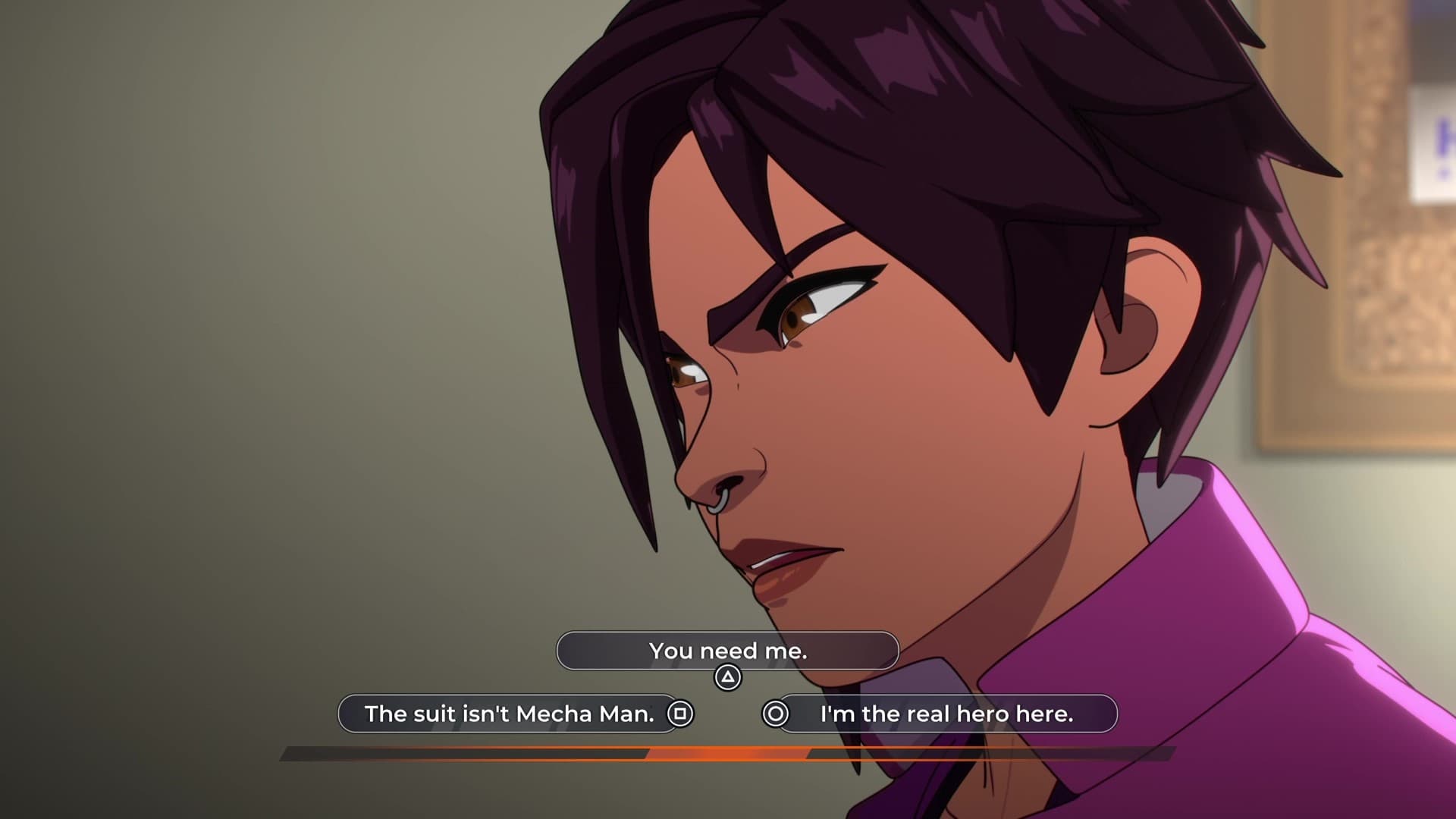
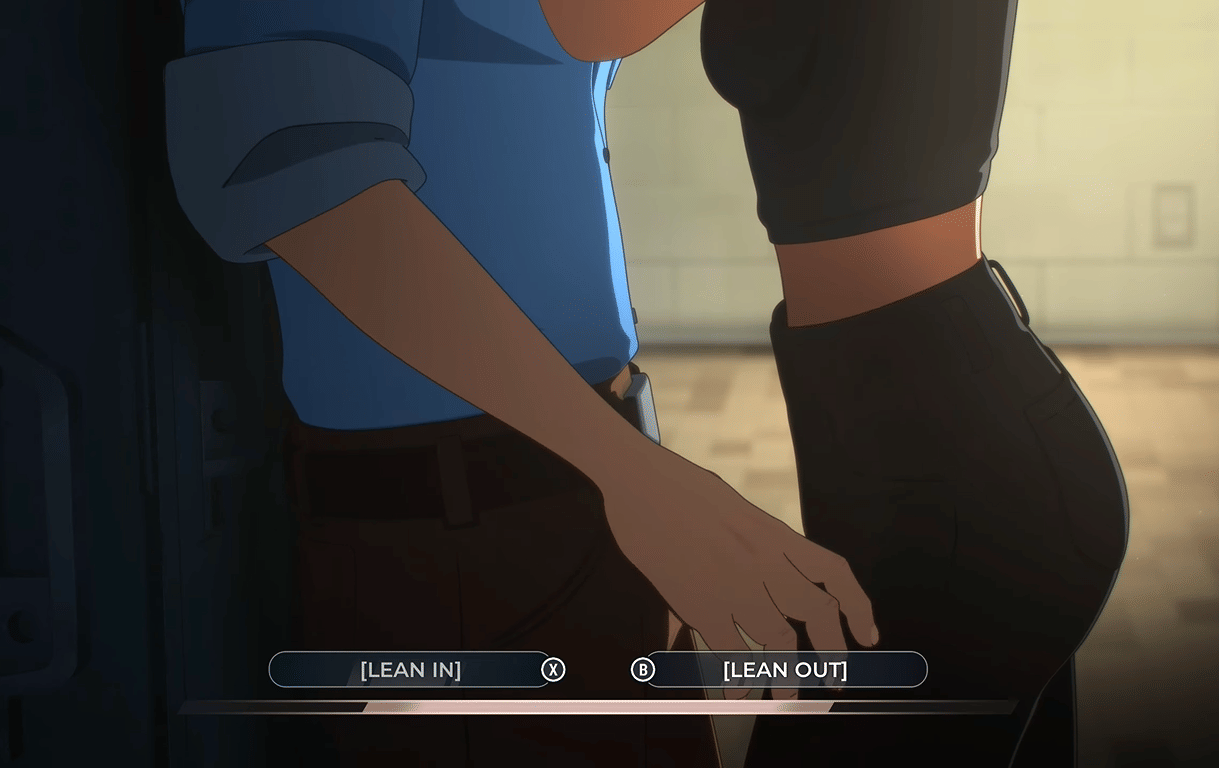
Romance in games can be… rough. Thankfully, Dispatch avoids the usual pitfalls. When this game originally dropped, the options for character romance made a huge splash, more than the game itself, it seemed. The romance options, Blonde Blazer and Invisigal, both feel emotionally grounded rather than performative. These relationships aren’t about checking a box or unlocking a sexy cutscene; they’re about connection, vulnerability, and what these characters represent in Robert’s life.
The reason I being this up is I never felt compelled to really pursue a specific person and if I did, it felt like it all folded into the narrative in a natural way that enhanced the story as well as the characters. Players who embrace Dispatch as a character study will likely appreciate both romances for their thematic weight, not just who the characters are. They complement Robert’s arc instead of hijacking it, which is exactly how romance should work in narrative-driven games.
Pushing Buttons and Paperwork: Gameplay on the Job
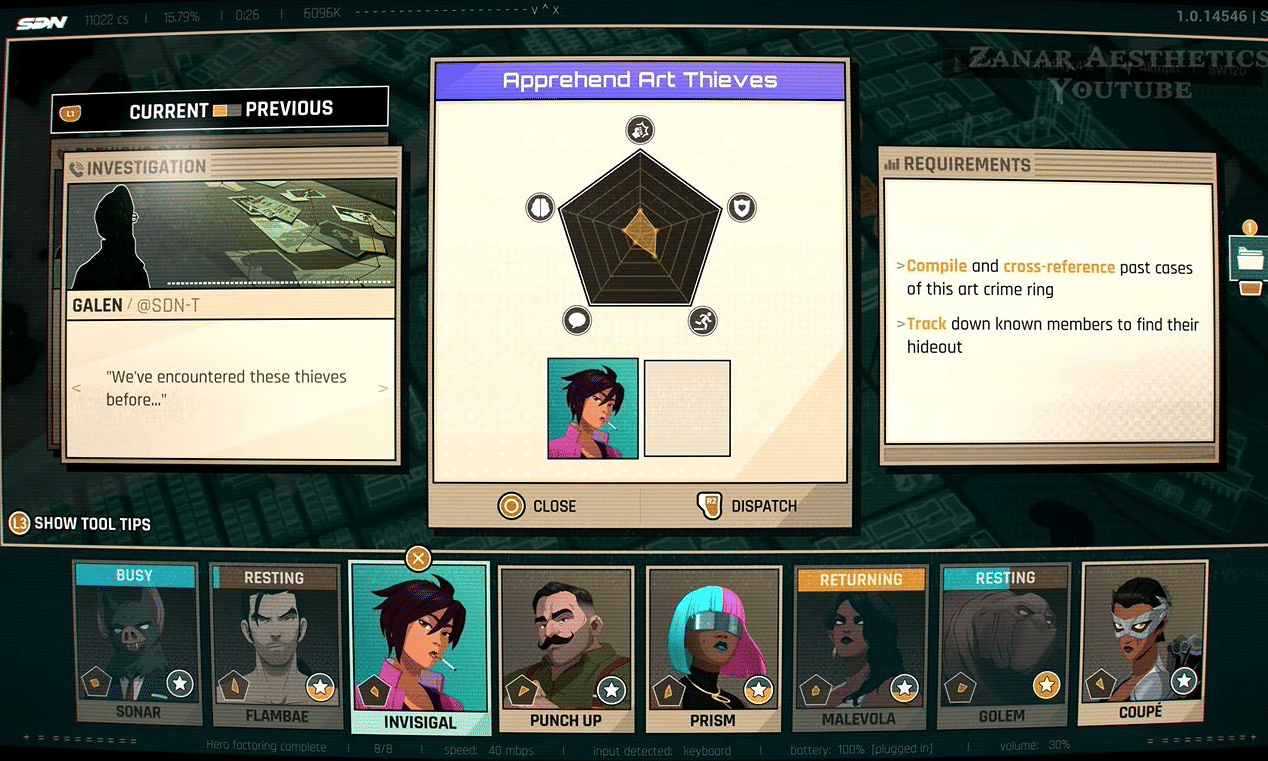
Mechanically, the dispatching segments are more of a narrative delivery system than a deep management sim. That said, they’re engaging and fun, especially when you’re juggling multiple heroes and learning how their abilities and personalities intersect. Each character has specific stats and it's on you to determine what stats are best suited to the job at hand. It was fun and rewarding to find the right hero or combination of heroes and get a job taken care of.
That enjoyment does come with a few hiccups. On PS5, the controls during dispatching could feel clunky, particularly when multiple interactive elements were on screen. More than once, I missed a dispatch call because my cursor just refused to cooperate with the D-pad. It’s not game-breaking, but it’s noticeable, and occasionally frustrating.
Still, the strength of the writing and characters carries these moments. You’re rarely annoyed for long before the game pulls you back in with a great line of dialogue or a surprisingly tender character moment. I learned as much about these characters working with them on the job as I did watching cutscenes and making dialogue choices.
Climax on Fast-Forward: Shroud Gets Shortchanged
If I have one major critique though, it’s this: Dispatch may have spent too much time on character development. And that feels weird to say, because I loved that aspect of the game. But the main plot which revolved around tracking down and confronting the villain Shroud, often feels like it’s playing second fiddle.
By the time the story reaches its conclusion, things wrap up a bit too quickly. I wanted more time with that core conflict, more room to explore Shroud as a threat, and more space to let the finale breathe. Everything works thematically, but the pacing at the end feels compressed compared to the care given to the characters.
That said, the emotional payoff still lands. The journey matters more than the destination here, and Dispatch earns that focus, even if I wanted just a little more runway at the end.
A Superhero Story About Carrying the Weight
Dispatch is a refreshing, thoughtful, and emotionally resonant take on the superhero genre. By shifting the perspective away from power fantasies and toward responsibility, burnout, and human connection, it offers something genuinely different. It’s funny, heartfelt, occasionally frustrating, and deeply relatable. Especially if you’ve ever felt crushed under the weight of expectations in your real life.
There are battles we all face each and everyday in our personal lives. And while superheroes don't start those battles or look to pick fight, they sure as hell finish them. This is a game about helping others when you don’t feel particularly heroic yourself. And somehow, in doing that, Dispatch becomes something incredibly special and absolutely worth your time to experience.
"Leaderboard" from Dispatch (AdHoc Studios, 2025). All rights belong to AdHoc Studios.