
Revisiting Child of Light on the PlayStation 3 felt a bit like reopening a well‑worn storybook. This wasn’t my first time through the land of Lemuria, but this was the first time I wanted to sit down with the game and really think about how I feel regarding it. When I think of this game, I feel a lot of things and felt like it was about time I try to turn those feelings into words. Overall, I came away reminded of just how much I like this game, even if a few of its rough edges stood out more clearly this time around.
A Return to Lemuria, Where the Story Quickly Lures Ya
Child of Light follows Aurora, a young princess who awakens in the mysterious world of Lemuria after a tragic event in her life. Separated from her father and surrounded by strange creatures, Aurora sets out on a quest to restore the stolen sources of light that keep the world in balance. She quite literally embarks on a quest to reclaim the sun, the stars, and the moon. Gameplay blends traditional turn-based RPG combat with light platforming and exploration, gradually introducing party members, abilities, and systems as Aurora grows stronger. The result is a story-driven adventure that mixes fairy-tale storytelling with approachable RPG mechanics that’s packed in a warm, whimsical package.
A Fairy Tale Told in Rhyme, Charming Most of the Time
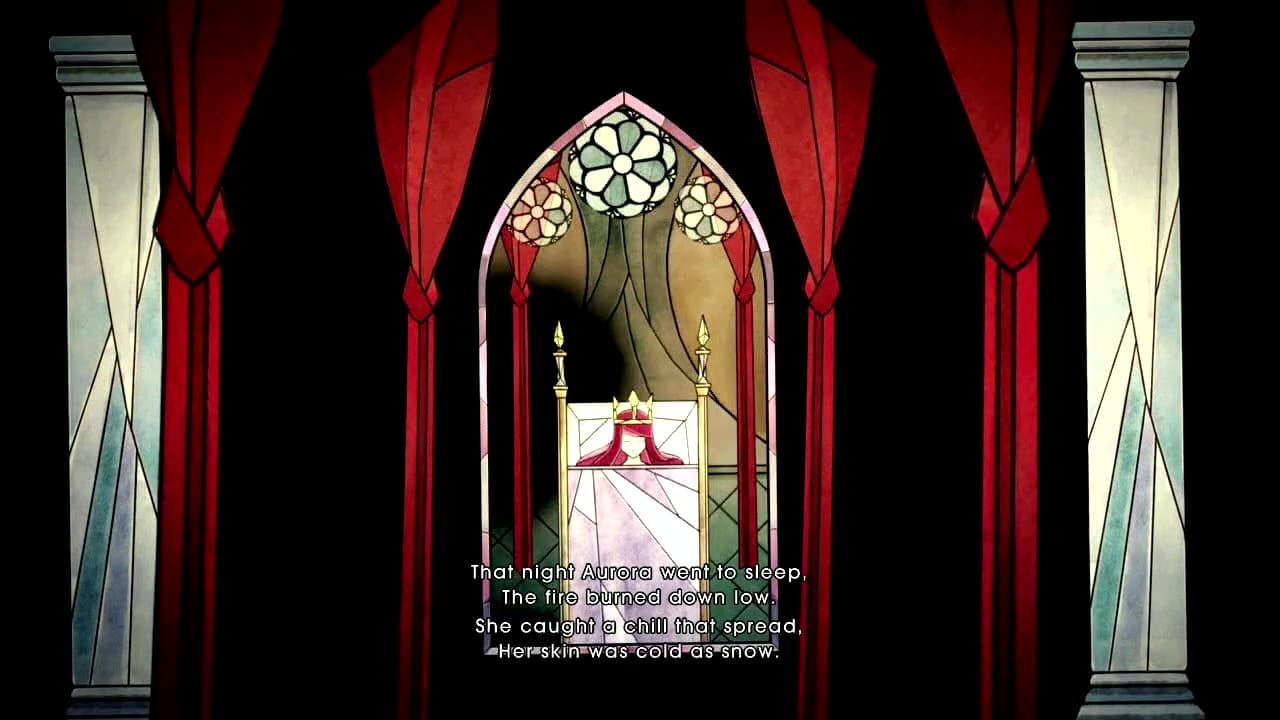
One of Child of Light’s defining traits is its commitment to rhyme. Nearly all dialogue is spoken in verse, and for the most part, I think this adds a lot of charm. It gives the story a fairy‑tale quality that separates it from more traditional RPG narratives. One of my favorite touches is Rubella, a character who can’t quite manage to rhyme correctly. Other characters openly correct her, as if she’s not fully in on the rules of this strange, poetic world. It’s a small detail, but an endearing one.
That said, the rhyming isn’t flawless. There are moments where lines feel awkward or forced, as though the rhyme was prioritized over natural speech or emotional impact. I still liked this approach overall, but it’s easy to see why it might wear thin for some players, especially over longer sessions.
Combat in Motion and Time, Strategic by Design
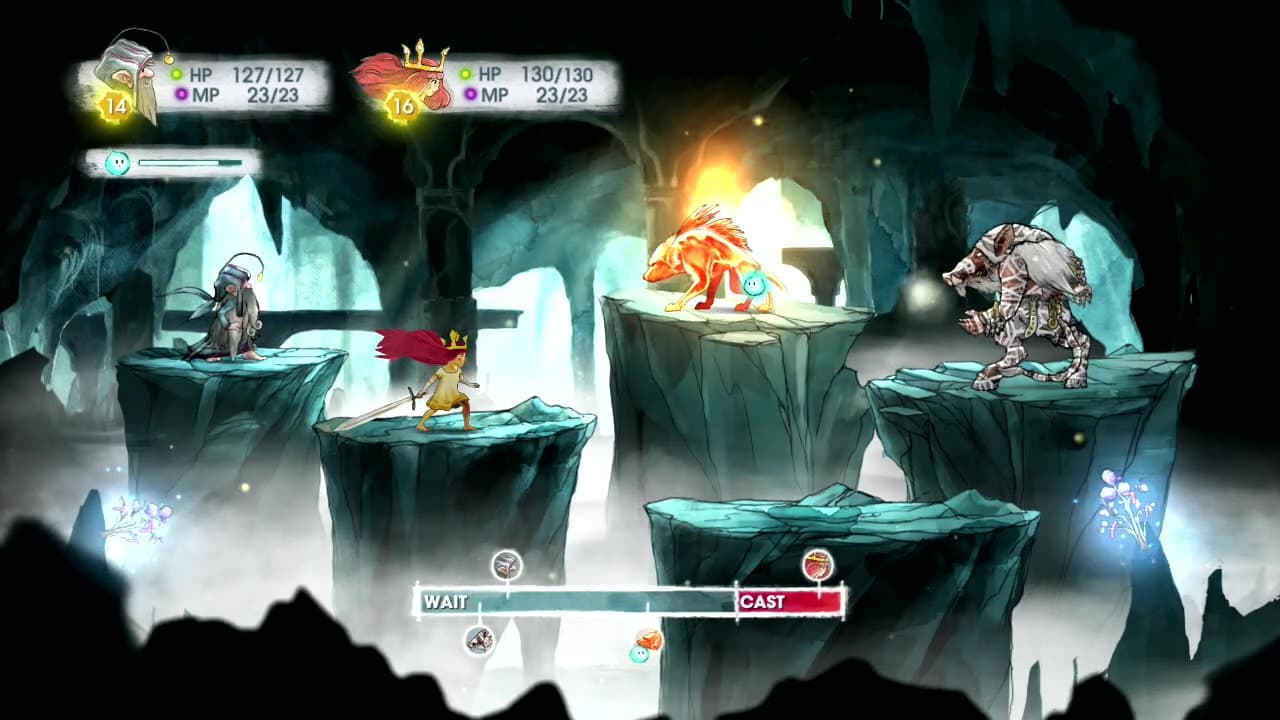
Combat is a core pillar of Child of Light, and it’s one of the areas where the game shines, at least initially. Battles are turn‑based, but they incorporate a real‑time element through the Timeline system at the bottom of the screen. Each character and enemy moves along the Timeline through “Wait” and “Cast” phases, with speed determining how quickly they act. Attacking an enemy while they’re casting can interrupt them and push them back, adding a layer of strategy that rewards good timing and planning.
You’re limited to two party members in battle, but you can swap characters freely on a turn, which encourages experimentation and makes it possible to use your entire roster evenly. Combined with the ability to see enemies on the field (there are no random encounters here), combat feels approachable while still offering meaningful tactical decisions.
However, as much as I enjoyed the battle system, it didn’t feel like it evolved much over time. New characters didn’t dramatically change how fights played out, and once I settled into an effective strategy, many encounters began to feel routine. Difficulty balance was also uneven, with certain bosses spiking unexpectedly and feeling more frustrating than challenging.
Oculi and Growth Combined, Power Carefully Refined
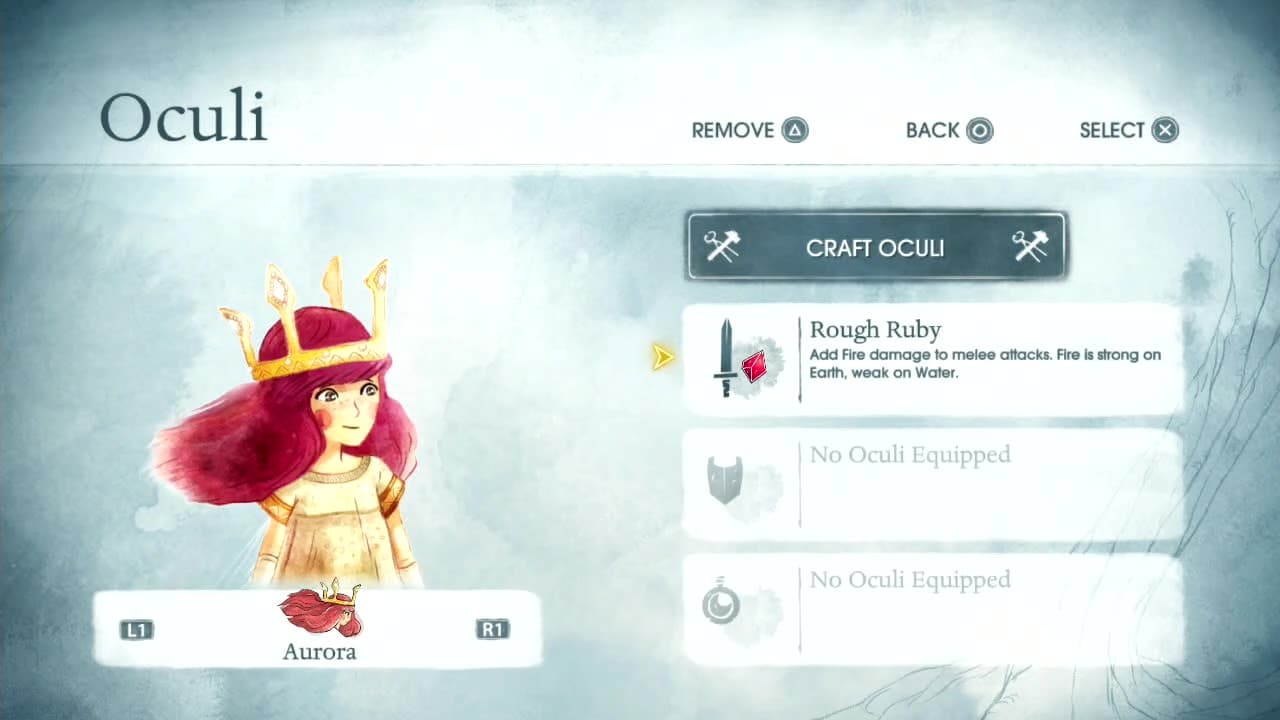
One system I genuinely loved engaging with was these magic stones called Oculi. These gems can be slotted into characters to grant stat boosts like increased speed or elemental resistances. You can combine different Oculi to create new effects, or merge identical ones to strengthen them.
I had the most fun hunting down Oculi and using them to tailor my party far beyond their expected power level. Building characters around their innate strengths and compensating for their weaknesses became more engaging than simply grinding levels, and it added a satisfying layer of customization to an otherwise streamlined RPG system. My only wish is that there were more of these Oculi to find and create.
Exploring Lemuria Far and Wide, A World You Drift Inside
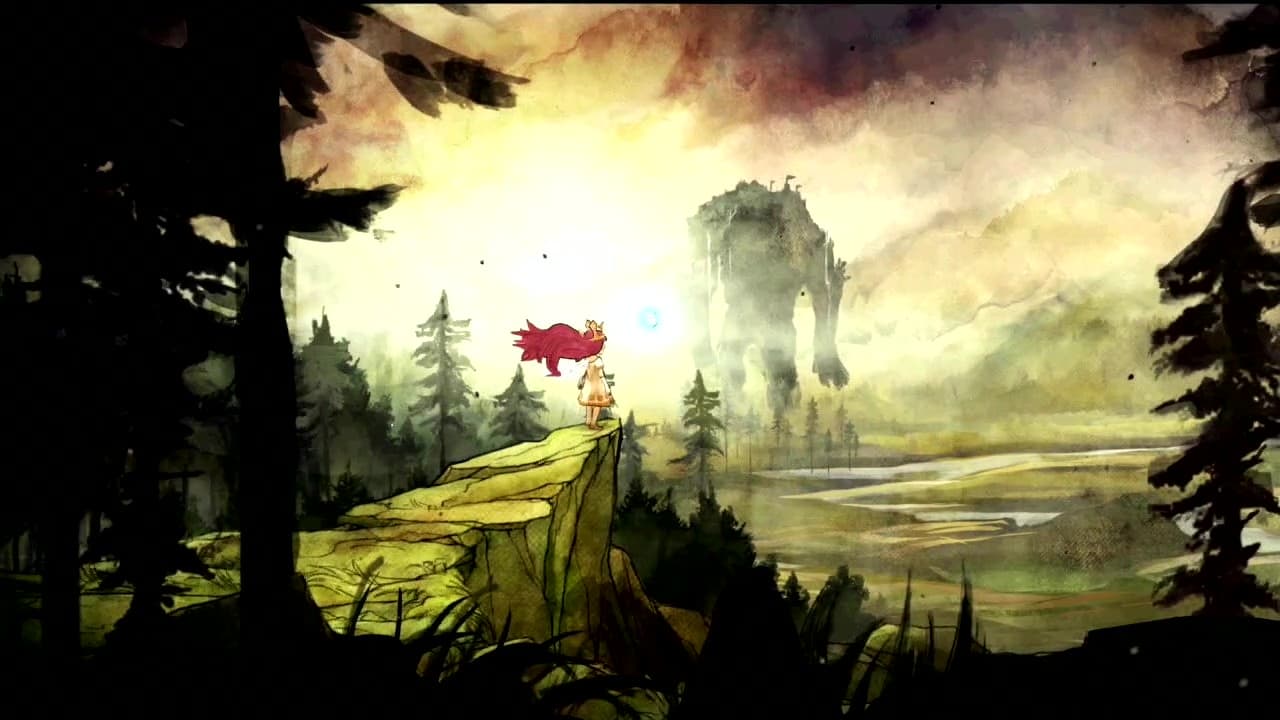
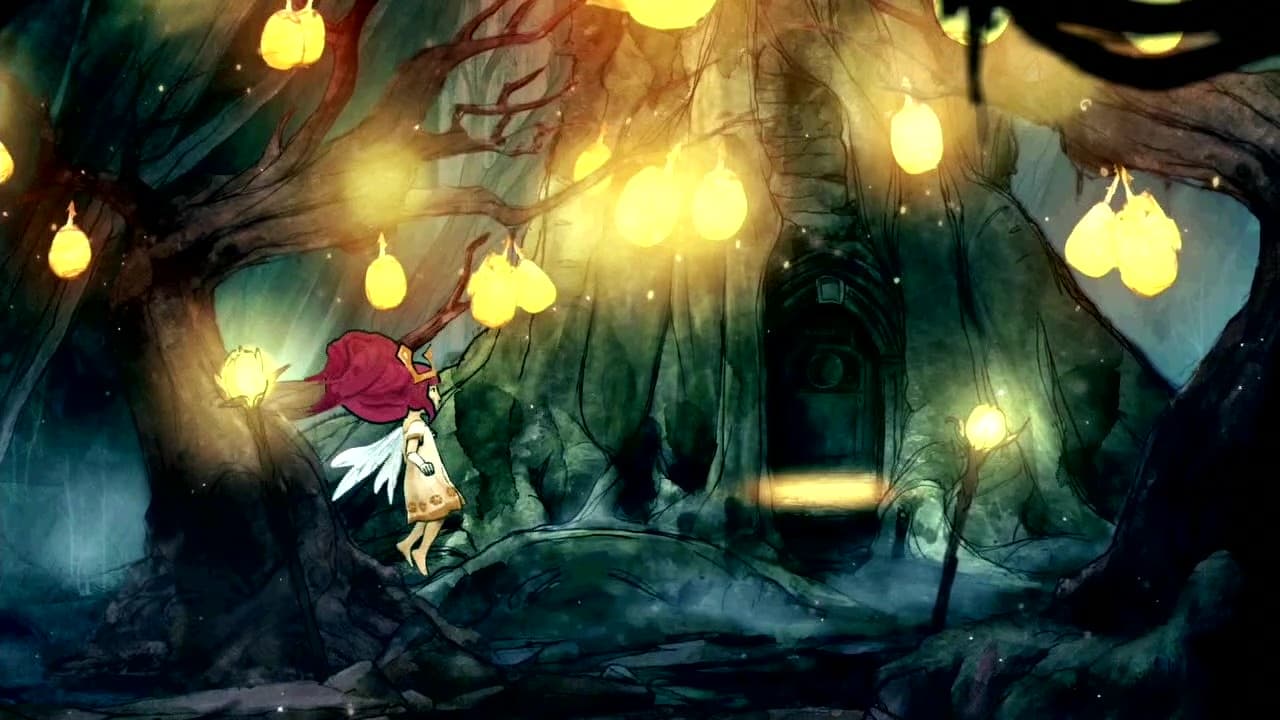
Lemuria itself is beautiful. The hand‑painted art style makes every area feel like it belongs on the page of an illustrated book. Early access to flight transforms exploration into something genuinely joyful, allowing you to drift through the world in search of hidden items and treasure chests.
Igniculus, the blue firefly companion that joins you pretty early on, plays a big role here as well. Controlled with the right thumbstick, Igniculus can light dark areas, collect items, and open certain chests, making exploration feel active rather than passive.
That said, exploration isn’t without its frustrations. There’s no traditional map, and while movement can feel purposeful early on, it can eventually turn into aimless wandering. Side quests don’t help matters much, as they’re often presented in rhymes and riddles that can be difficult to decipher. I’m fairly certain I missed more than a few simply because I wasn’t entirely sure what the game was asking of me. I don’t always need a mini-map with an icon on it to tell me where I need to go, but I at least need to be guided in a general direction without the need for a rhyme to skew my objective.
Aurora at the Fore, Others Less Explored
Aurora herself is a strong protagonist. Watching her grow and mature over the course of the story, reflected both in her appearance and in how she speaks to others, was one of the highlights of the game for me. While I don’t think I was truly invested in her plight, I found myself rooting for her. I felt genuinely happy when something went well for her, and I found myself sad for her when all hope seemed lost and Aurora was unsure what to do. Her character arch is the most defined and when the story approaches it’s climax, I felt proud of her, seeing how she had grown over the course of the story. It made me think of my step-daughter and how I’ve watched her grow. (Shout out to you, Camryn, my warrior princess.)
Unfortunately, the same can’t be said for the rest of the cast. Most supporting characters have little personality and almost no meaningful development. I felt like they largely existed to fill specific combat roles, and even that feels generous at times. While the fairy‑tale framing helps excuse some simplicity, it still left the party feeling underdeveloped outside of Aurora.
A Focused Tale That Knows Its Length, Small in Scope but Strong in Strength
Child of Light is a relatively short game, and I think that works in its favor. The experience feels focused, and I rarely felt like my time was being wasted. Whether I was progressing the story or strengthening my party through combat and Oculi, nearly everything served a clear purpose.
There’s also little incentive to replay the game once it’s finished, unless you’re interested in experimenting with different characters or grinding out higher levels. Still, as a single, self‑contained journey, Child of Light remains a memorable and worthwhile experience.
Despite some uneven combat depth, underdeveloped characters, and a few lingering frustrations, my return to Lemuria reaffirmed just how special this game can be. Its art, music, and fairy‑tale atmosphere come together to create something quietly unique. And sometimes, that’s more than enough.
"Aurora's Theme" from Child of Light (Ubisoft, 2014). Downloaded via KHInsider. All rights belong to Ubisoft.